Sculpture Takes To The Floor: How To Use Floor Sculptures To Add Character To Your Home
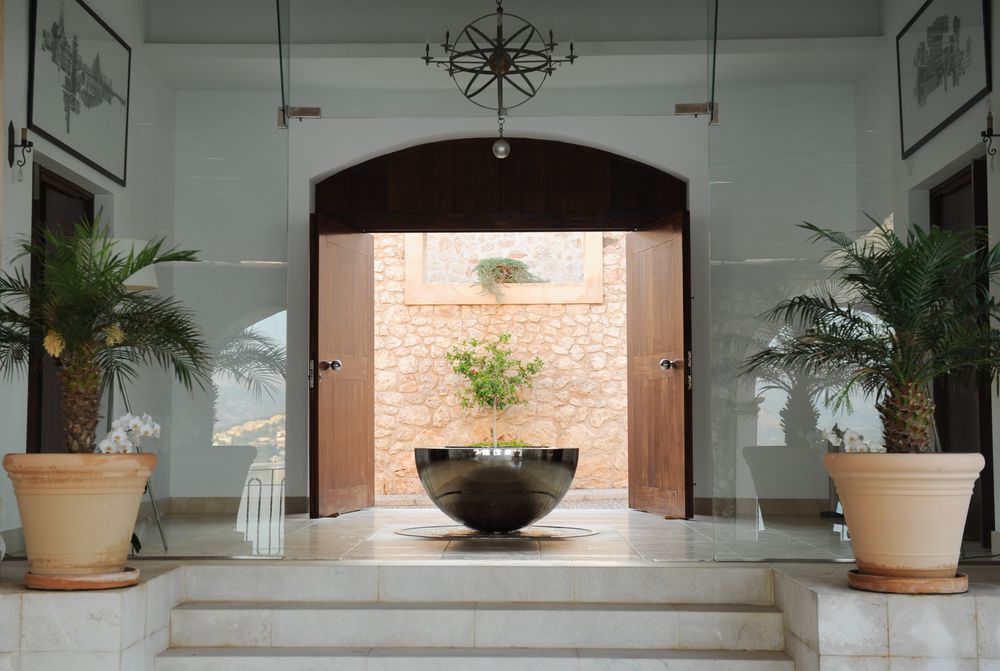
The beauty of incorporating sculptures into your décor is that it gives you an opportunity to create a personal gallery that echoes your style and taste. Here, we discuss the transformative power of floor sculptures, and their ability to ‘anchor’ a room with a dramatic focal point that draws the gaze from a variety of angles. Unlike wall art, a floor sculpture stands bold and alone, giving an air of timeless permanence.
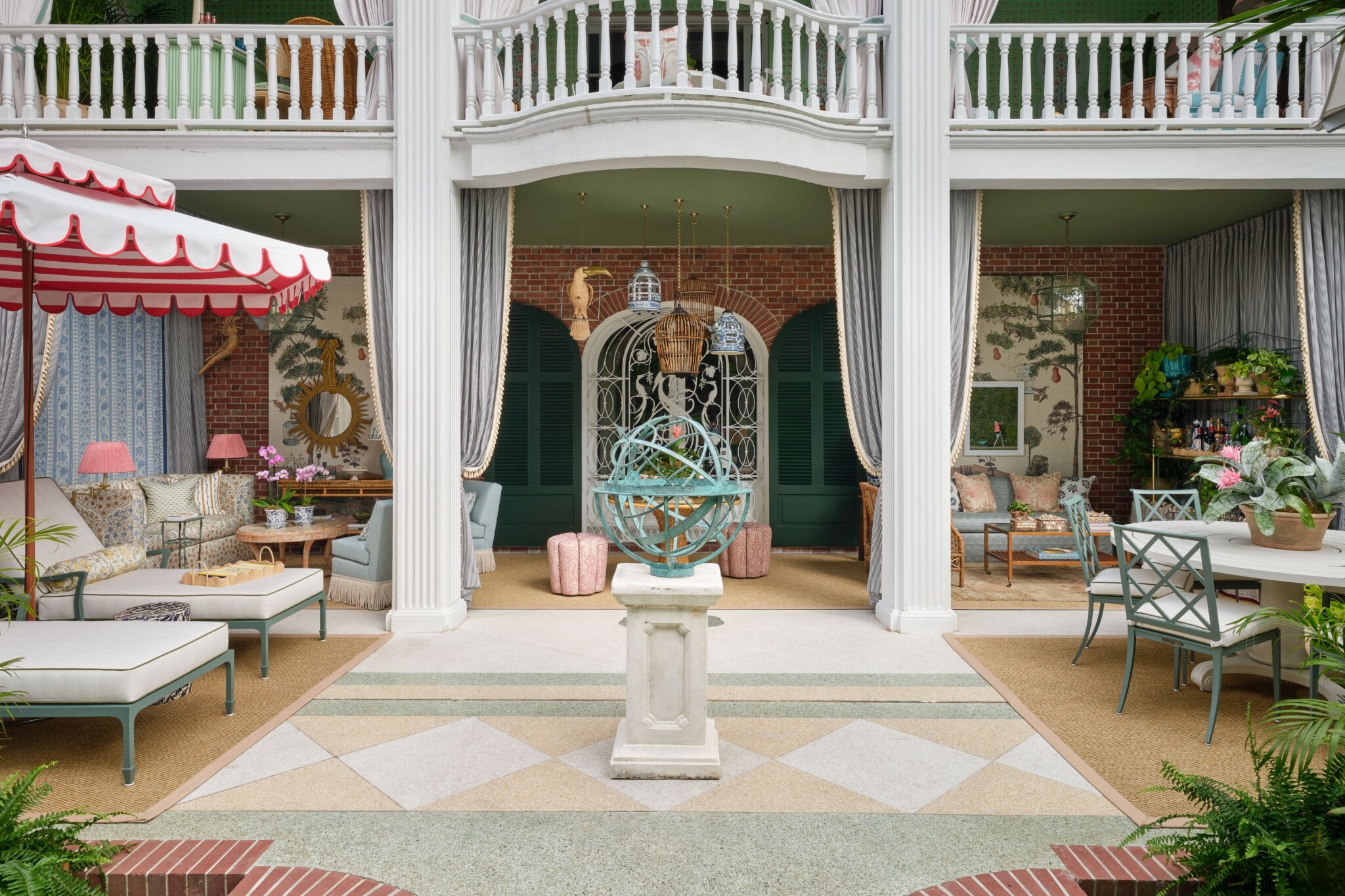
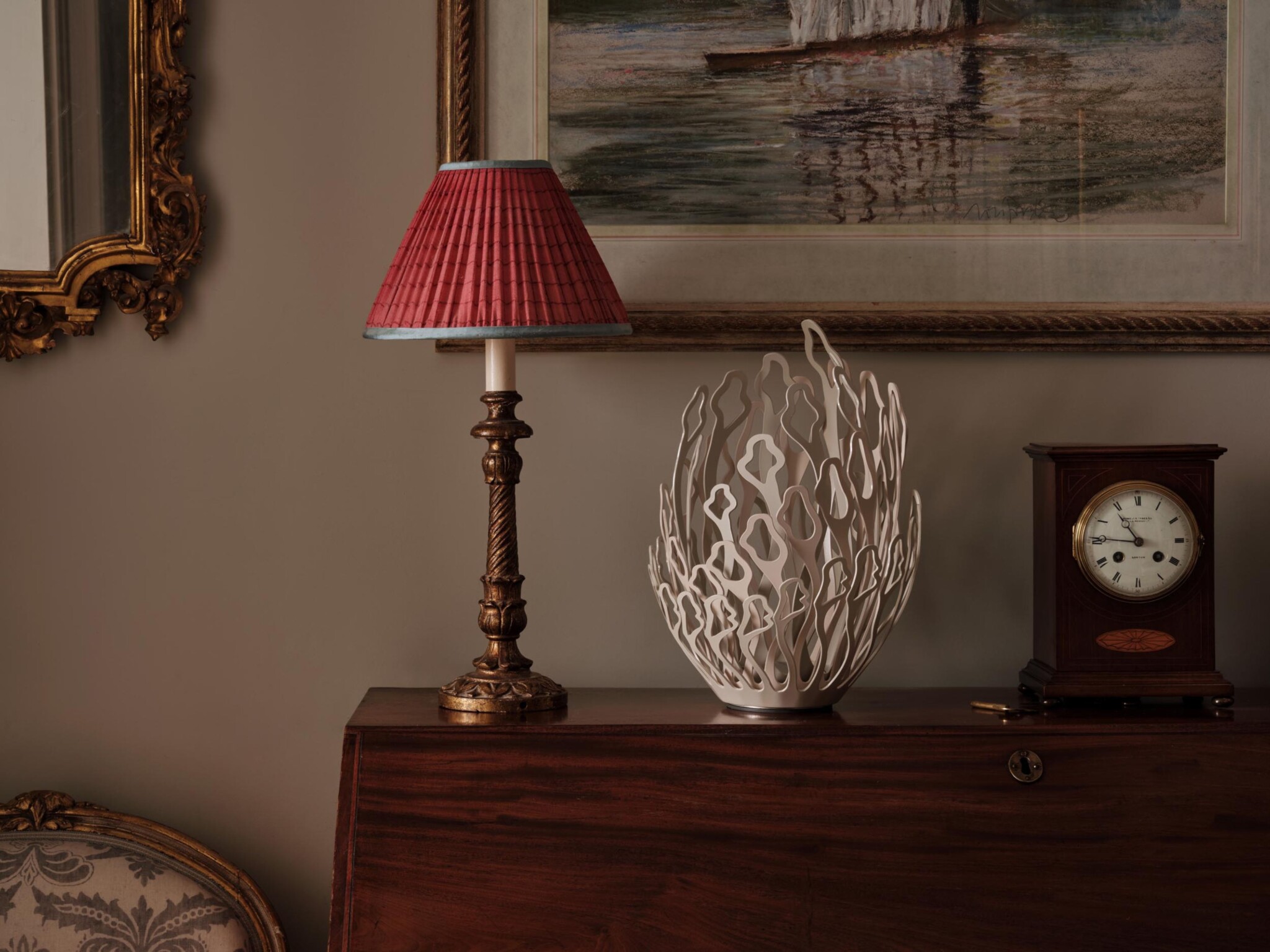
More than just a useful way to instantly elevate your home decor, floor sculptures can also act as a unifier to link disparate eclectic – even clashing – decorative styles, pulling them together into a design narrative that works. So, how best to display your treasures?
First considerations
Which room is the piece destined for? How big is the space? How large is the floor sculpture? How will it be lit? Does it communicate imposing, static elegance or soft, kinetic movement? If it’s inspired by nature, think about placing it so that it ‘talks’ to a garden or courtyard beyond. Will it be positioned in a high-traffic area and be admired up close, or in a secluded corner? Are you looking for a subtle finishing touch that blends harmoniously with its context – for example, a minimalist contemporary piece in a modern living room? Or should it provide unexpected contrast, as with an avant garde floor sculpture set against traditional décor? Read on.
It’s all about balance
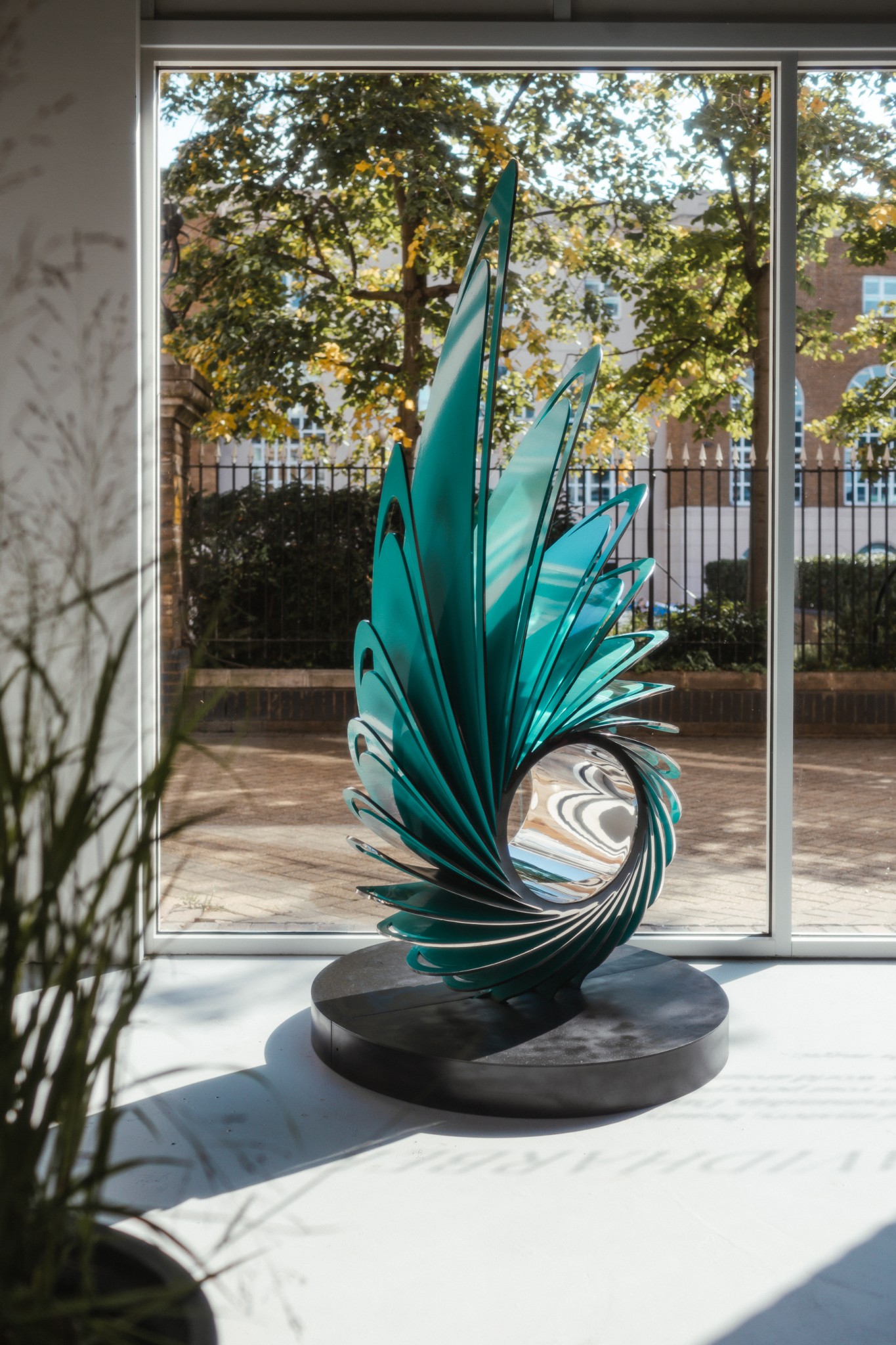
Think about form, scale, color and materials. Do you want to make an arresting statement through installing a tall floor sculpture in a spacious entryway or living room? Or does the appeal of your piece lie in its exquisite intricacy, which would be best appreciated in a more intimate setting? Interior designers apply some clever tricks of the trade that will ensure your artworks always look their best in your home surroundings.
Rules of thumb from the professionals:
- Using decorator’s tape, map out the floorspace that your sculpture will occupy. Then mark its height against the nearest wall. Living with this outline for a while before you move the sculpture into position will enable you to make sure it’s the optimal position for showing it off and that you avoid annoyances such as creating an obstruction.
- Allow plenty of negative space around the sculpture – i.e., empty space that gives it breathing room and stops it from getting lost amid clutter.
- Consider the furniture that will be nearest to it: a floor sculpture shouldn’t take up more than around 70 per cent of the size of the dining table, cabinet or coffee table closest to it.
- Think about the size of the room. A large sculpture should occupy no more than 5 to 10 percent of the available room space; but if the ceiling is high, choose a sculpture of more substantial proportions. Make sure the piece doesn’t clash with the height of any existing furniture or floor standing lamps – go for variation of height for balance.
- Remember, too, that a dark, solid floor sculpture will appear to occupy more visual space than a light-colored, airy one.
- If the piece has a specific focal point, make the most of it by lining it up at eye level.
- Think about the purpose of the room in which your floor sculpture will be displayed. For instance, a bedroom is a sanctuary that calls for restorative calm – soothing, organic shapes work best here.
- Let your floor sculpture ‘talk to’ the architecture around it. If the space has a stunning arched doorway, for instance, think about how its architectural curve could frame the piece.
Surface values
The materials used to create a three-dimensional sculpture bring a distinctive aesthetic that is quite different from the experience of viewing a two-dimensional artwork. More than purely visual, it has the power to evoke complex emotional responses in the viewer through its shape, proportion and texture, as well as composition. It follows that a organic or abstract floor sculpture can influence the mood of a room, changing or complementing it as you wish.
‘Feel’ enhances perception
Texture plays a crucially important role in sculpture because it allows the viewer to experience a piece physically through touch. Think of how a rough, jagged finish conveys the raw power and chaos of the natural world, while a smooth, silky surface suggests tranquility and safety. A cracked effect might evoke a sense of impermanence and decay, while mirroring can represent perfection. Even without actually touching a sculpture, as soon as we look at it, our brain identifies which sensation to expect and prompts us to subtly experience it.
Catching the light
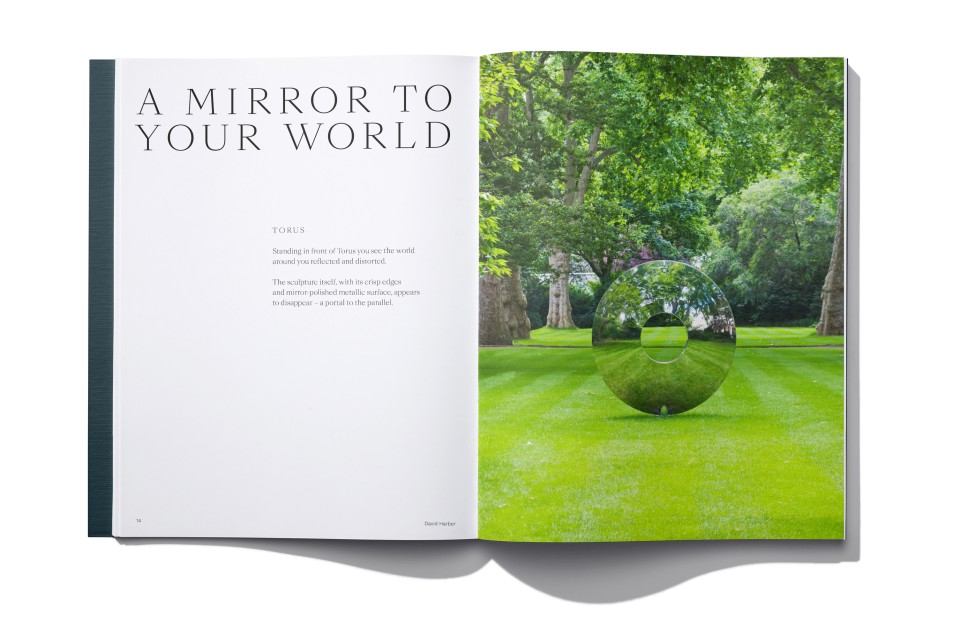
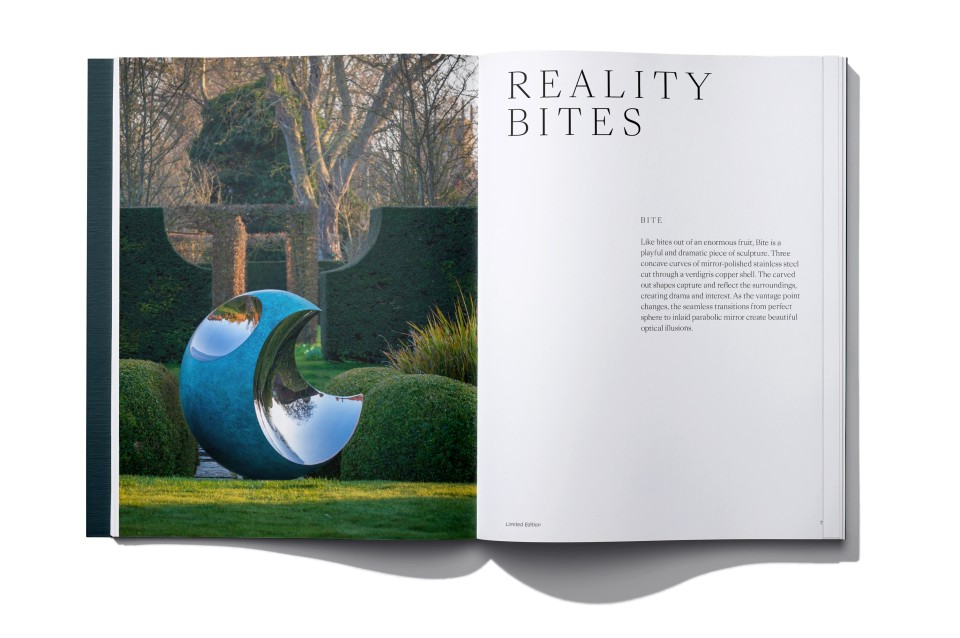
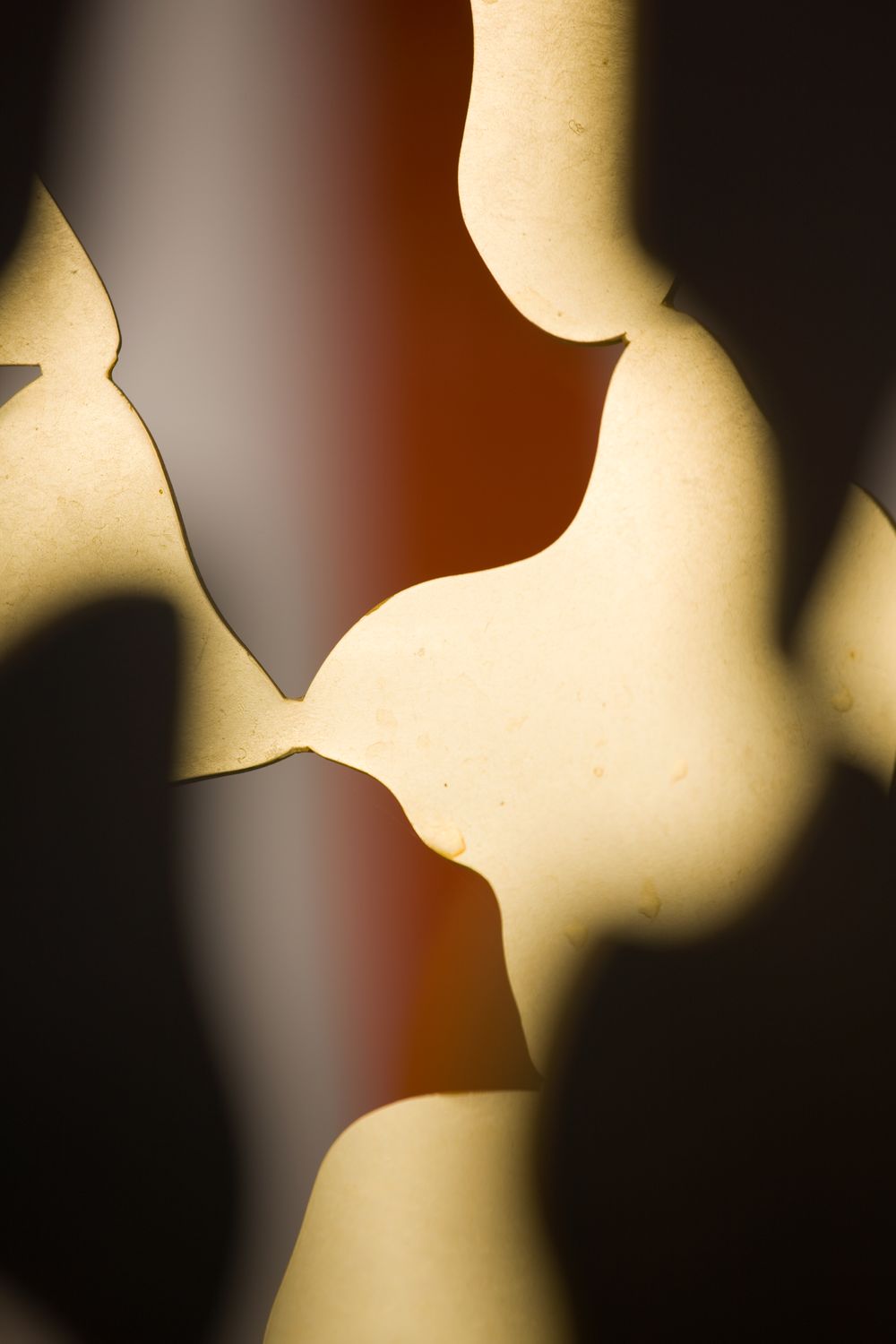
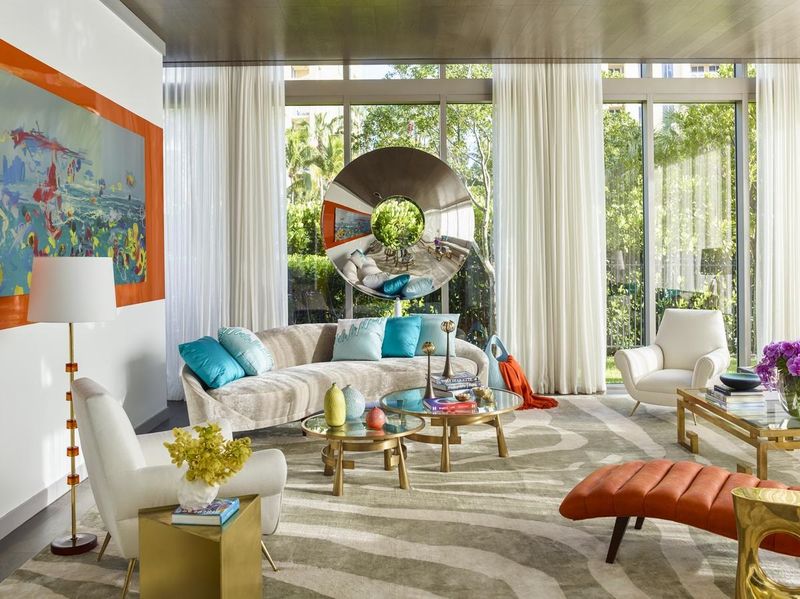
Should your floor sculpture feature a reflective surface that catches and throws the available light? Then the mirrored finish of polished stainless steel would be ideal. Its sleekly modern art look perfectly suits a contemporary living space – although possibly not a cozy, intimate room such as a bedroom.
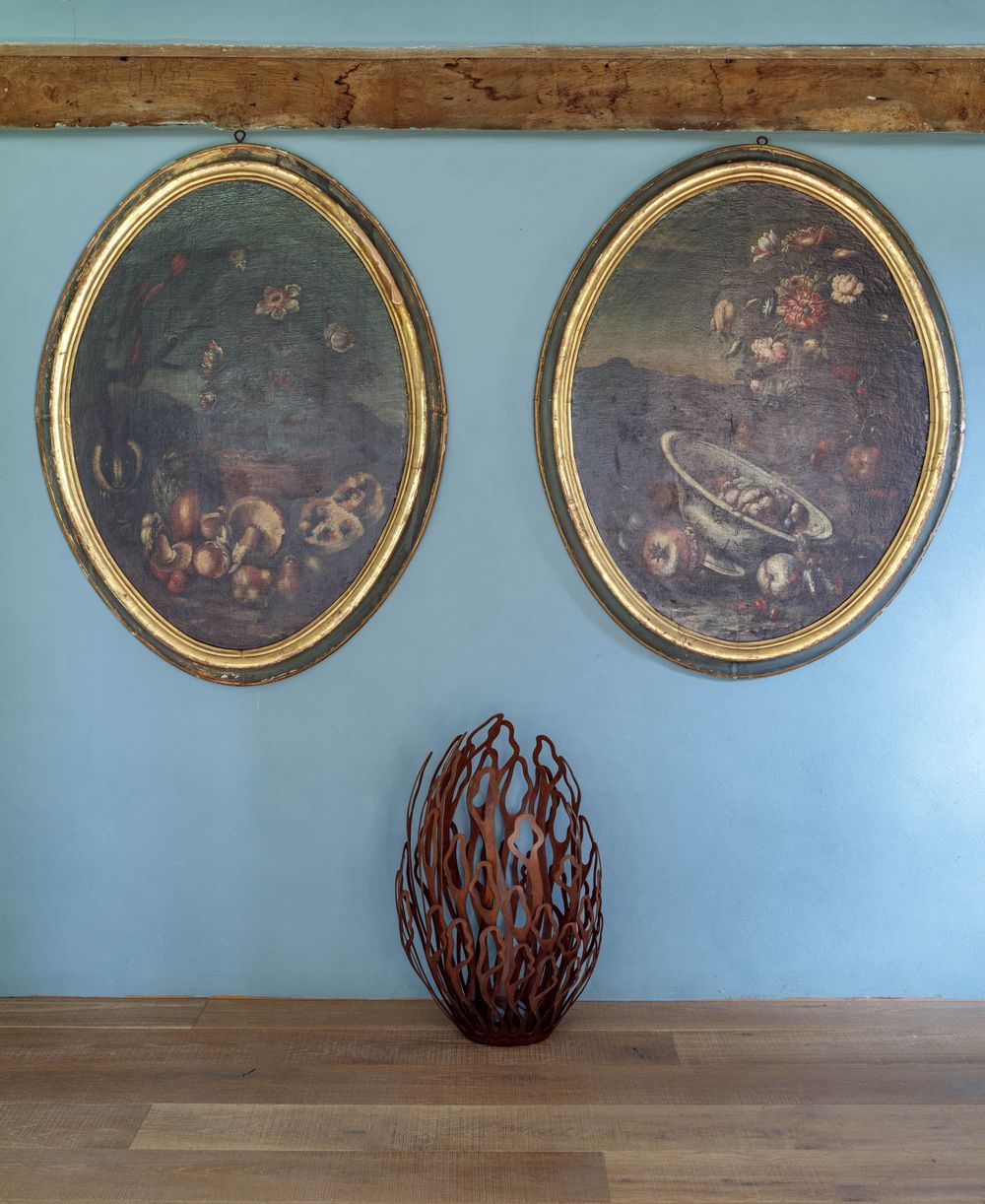
Or perhaps the reflective surface of your metal sculpture should be more muted, such as the rich, rosy sheen of copper, or the golden gleam of bronze or brass – popular with mid-century styles – to bring warmth to a quieter interior palette? Even using less obvious accents, like the 24-carat gold leaf gilding on the inner surface of a piece, will create a subtle glow in the right lighting conditions. Alternatively, there’s nothing quite like the grounded, earthy tones of oxidized steel to conjure an atmosphere of rustic simplicity.
The elegance of heritage
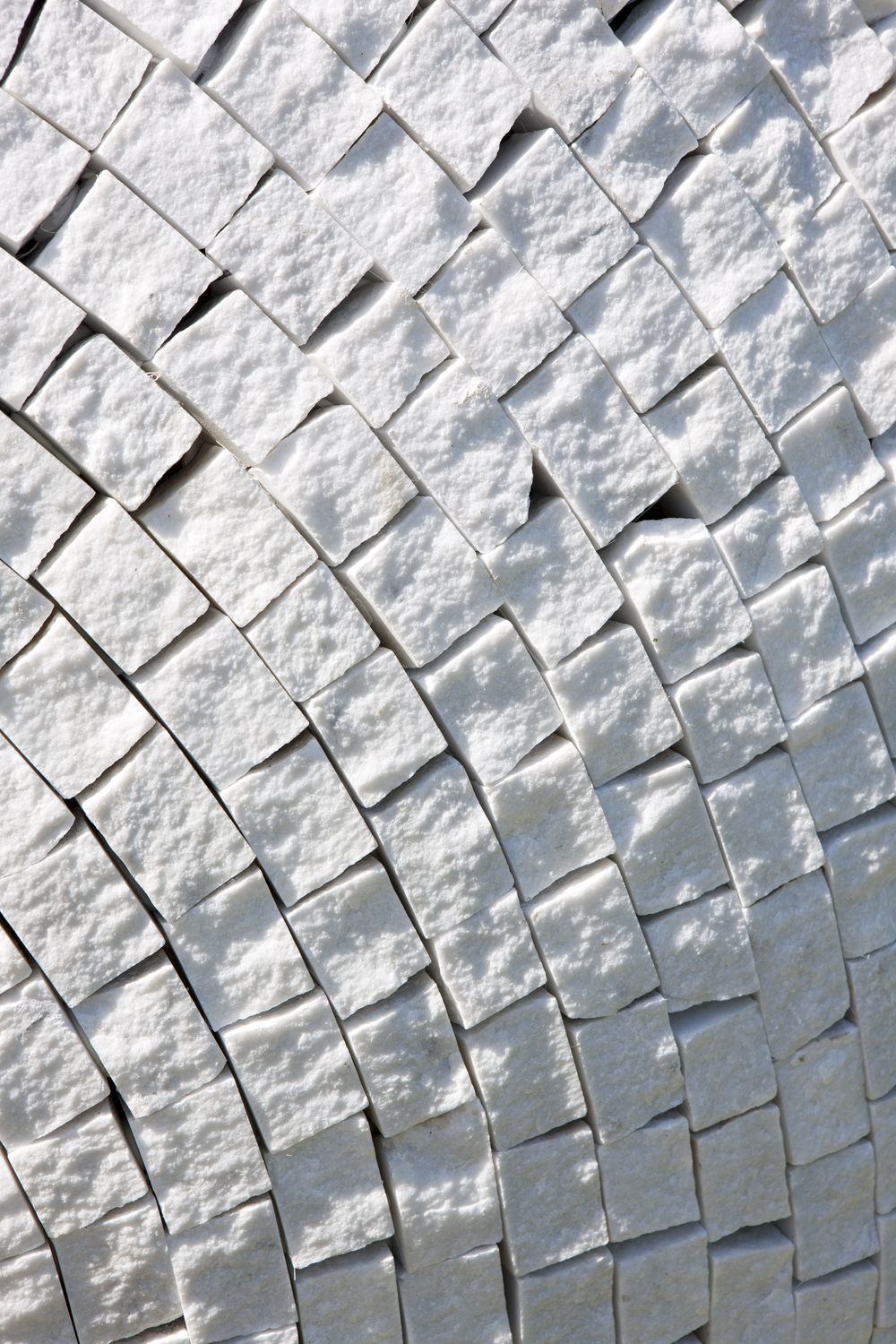
Carved stone is among the most ancient mediums of human artistic expression, dating back tens of thousands of years. It speaks to a sense of antiquity, heritage, permanence. From earthy granite to cool marble to stunning Welsh slate, a beautiful stone sculpture has a presence that commands attention, but with a timeless elegance that celebrates history as well as marking the present.
Position a stone floor sculpture in a minimalist space such as an entryway, and it will have a lasting impression on your guests as they arrive at your home. Alternatively, integrate it with your living room decor and see how it balances soft furnishing fabrics.
How to light your floor sculpture
Three-dimensional art pieces already have presence, but when perfectly lit they come alive.
Artificial light
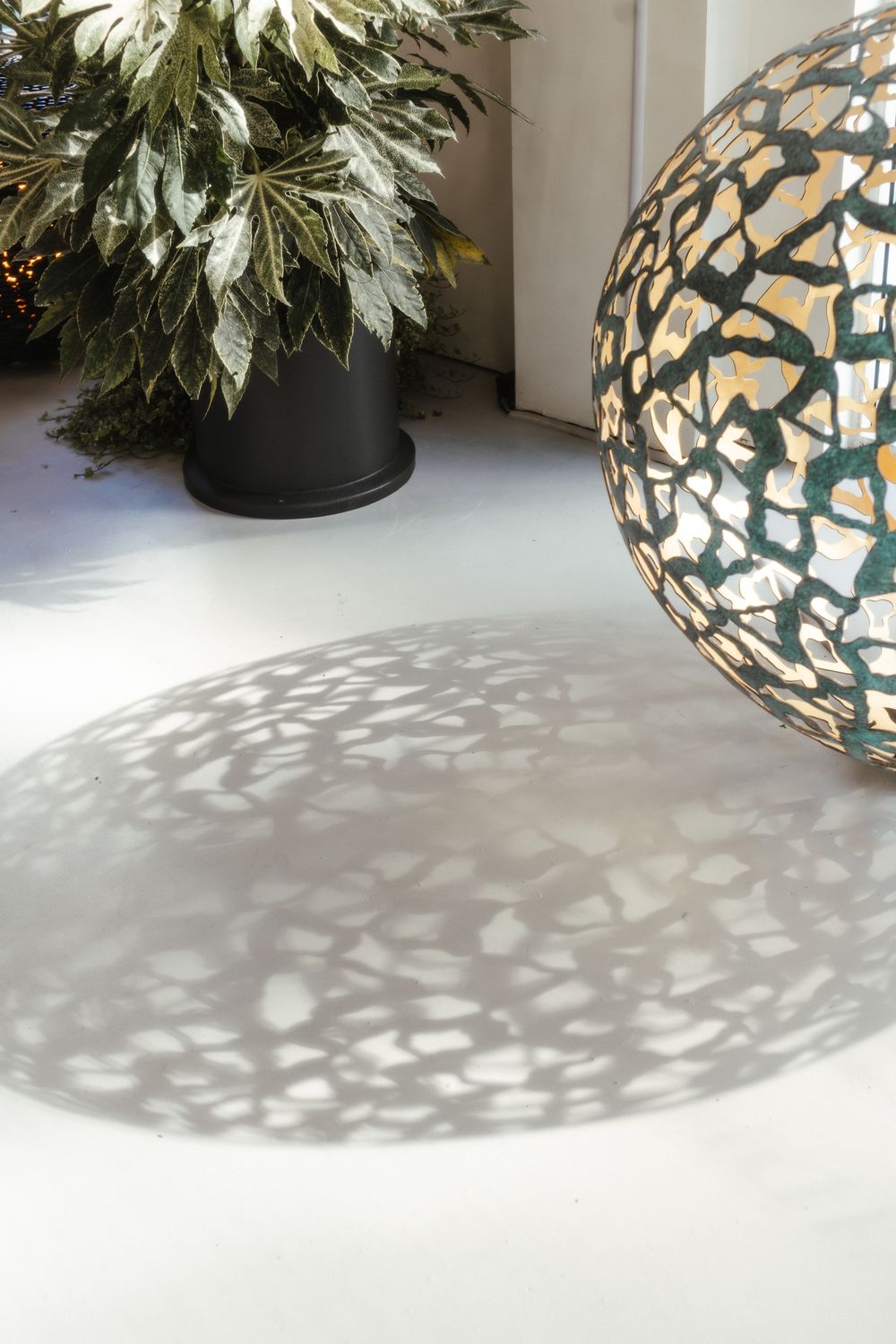
In the theatre world, artificial lighting is used either as a mood-setting tool or to give emphasis and at home, a well-placed floor lamp or wall lights can do the same. The type of lighting effects that you choose aren’t just about visibility, but rather vision and intention. This is especially true when you’re displaying a sculpture: without good lighting your stunning artwork will quietly disappear into the background.
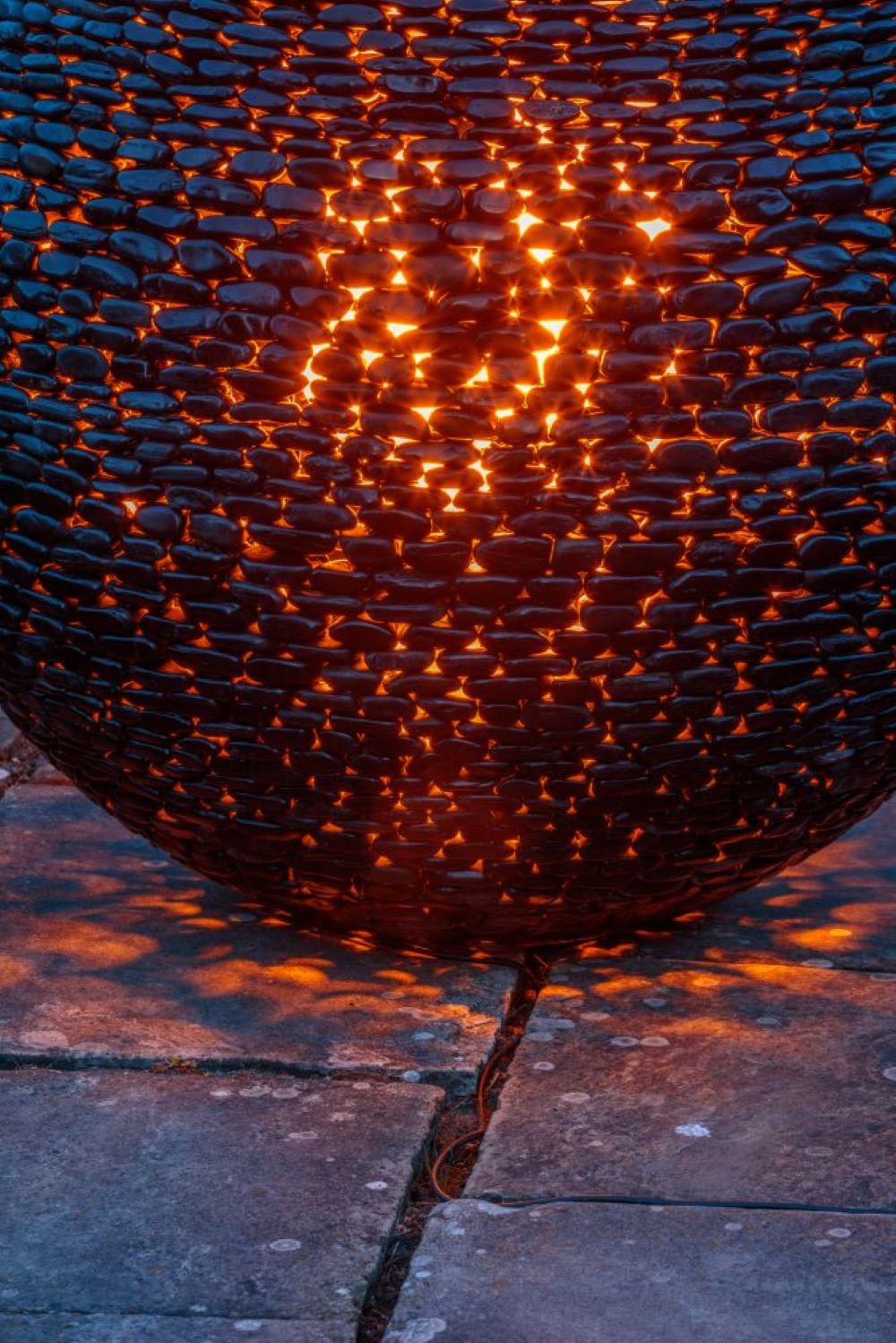
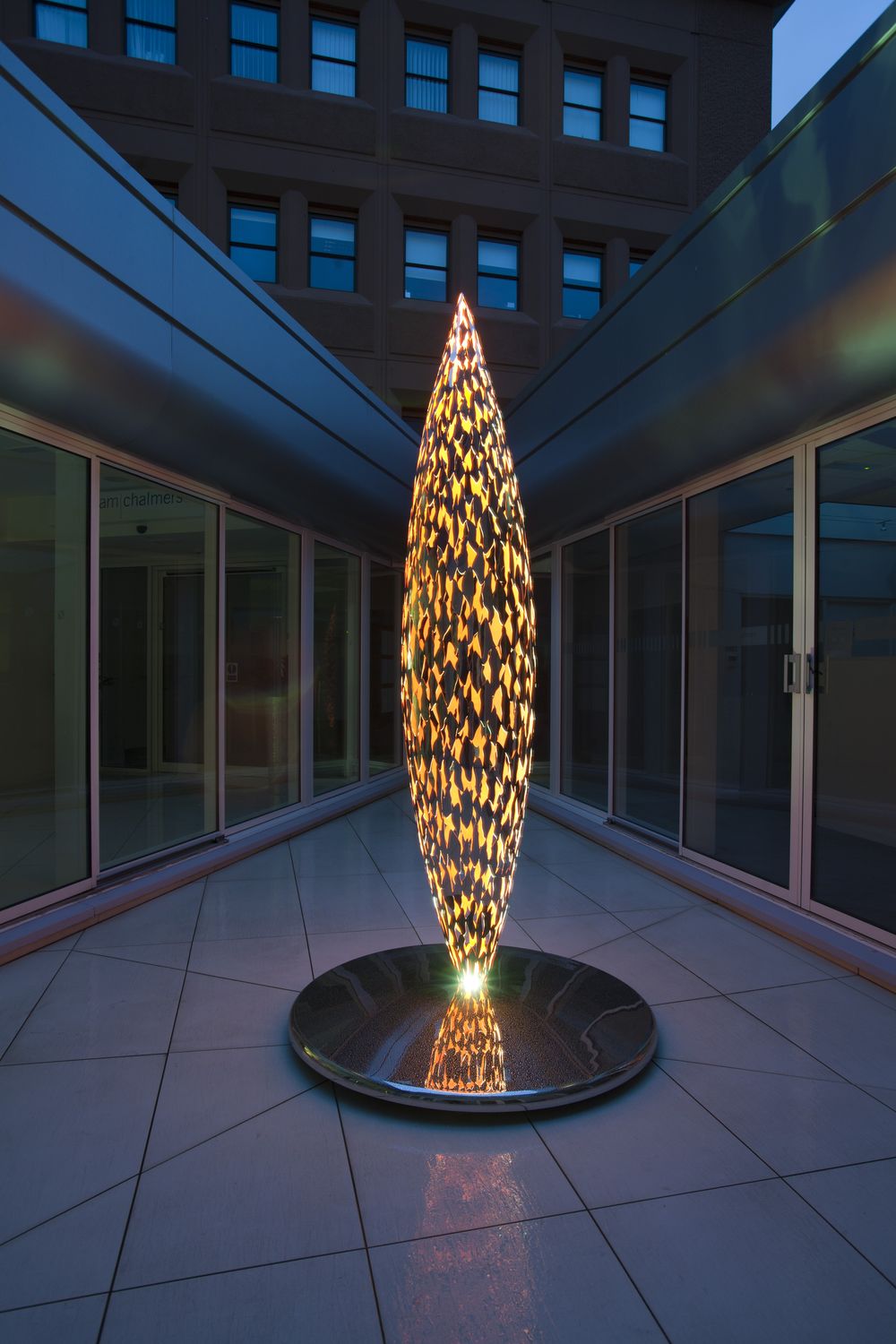
To achieve the right outcome, lighting needs to work in harmony with the material from which the piece is sculpted so that it adds depth and enhances the story it tells. Consider whether your sculpture calls for an accent beam to command attention. Or perhaps an ambient wash that will soften its shape and make it feel as though it’s nestling into its surroundings. Explore the effect of shadow around a piece, such as the long shadows cast by directional light. Maybe a cleverly positioned downlight will draw the eye and create an interesting interplay of light and shade around the art sculpture. And don’t forget that an LED built into the sculpture itself, which is now common in modern floor sculpture, will magically transform it after dark, casting an atmospheric glow around the room.
Natural light
We tend to take for granted beautiful artworks that have been displayed in the same position for years, but as soon as we move them, we see them as though for the first time. Make use of the seasonal changes in natural light by shifting the position of your floor sculpture accordingly. This will give it a completely fresh perspective every time.
But be mindful that while good natural light may be considered a bonus, over time UV rays can damage surfaces that have been painted, varnished, or treated with protective coatings.
If you’re still considering what style of artwork would suit your home or you’re interested in creating a bespoke design, our team would be delighted to arrange a consultation with you. Email inquiries@davidharber.com to begin your creative journey with us. Alternatively, you can find out more about our Bespoke Service here.
The magic of conversation
Whether you’ve decided on a piece or you just want to sound out an aspect of our work, please get in touch with our team to discuss your needs.