Creative outdoor wall ideas: how to add interest to garden boundaries
The boundary lines marking your outdoor space can be both beautiful and useful. A garden fence, a stone wall or an evergreen hedge provide privacy and shade, blocking out the outside world to help retain the tranquility and peace of the space within.
Dividing a garden into a series of smaller “rooms” is a classic design technique, and the walls that separate them deserve just as much attention as the planting within. Treat each boundary as the backdrop to its own scene: a considered sculpture, a change in color, or a distinctive planting scheme can give every room its own character while still feeling part of a cohesive whole. As you move from one room to the next, embellished boundaries create a sense of anticipation and discovery, encouraging visitors to explore rather than take in the whole garden at a glance.
Without careful consideration these essential structures – which take up a large amount of space – can feel overbearing. Luckily, there are lots of ways to make them look more interesting and the large surface area offers creative opportunity for adding interest and personality, especially in smaller plots.
Think like a designer and approach your garden boundary as a landscape feature, rather than a necessity. Front gardens, courtyard spaces and grand walled estates will feel transformed with a creative touch.
Here is a selection of creative garden wall ideas to inspire you to turn your outdoor boundary into memorable outdoor feature.
Add a focal point
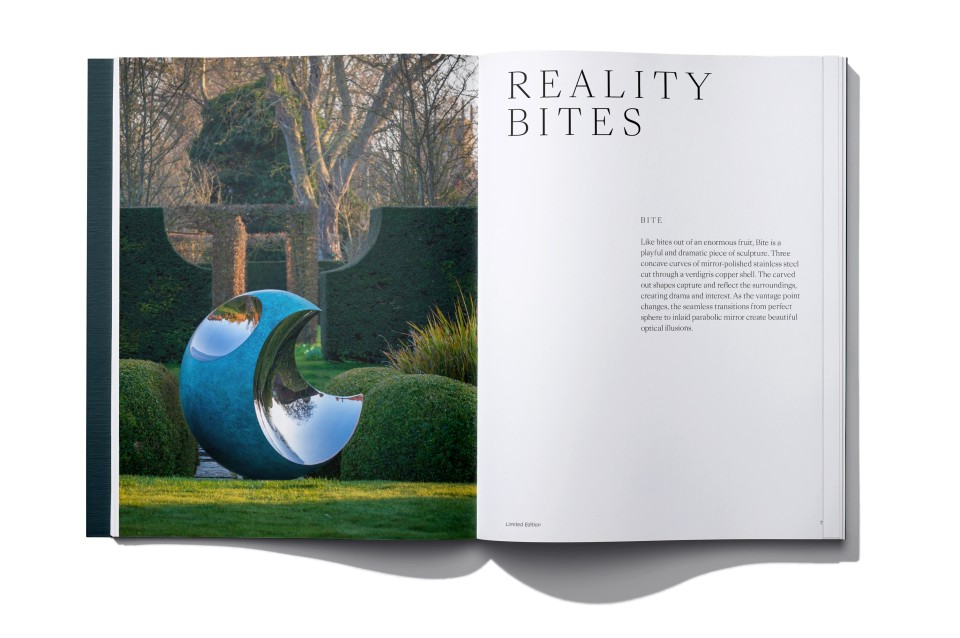
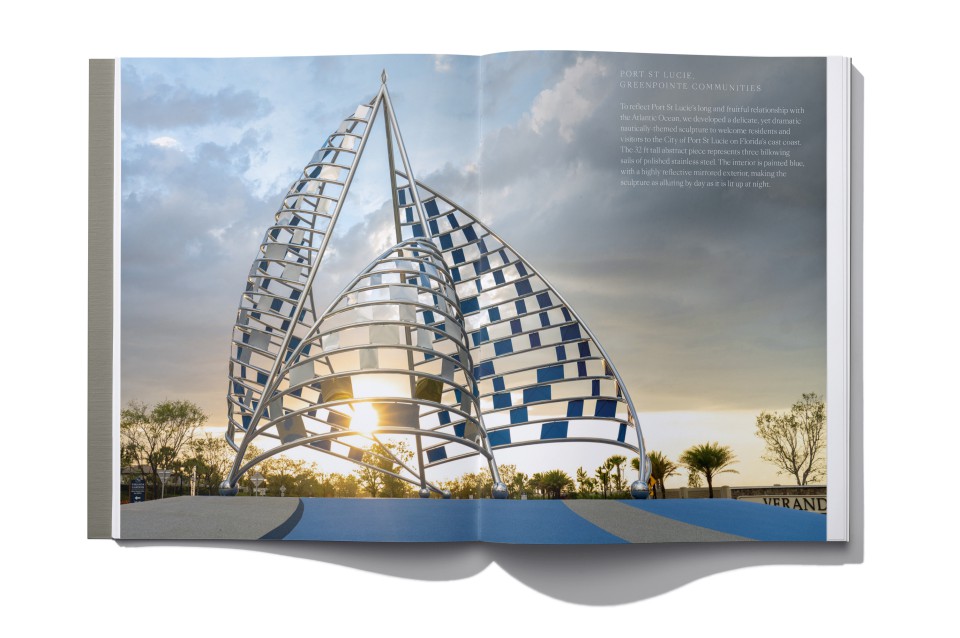
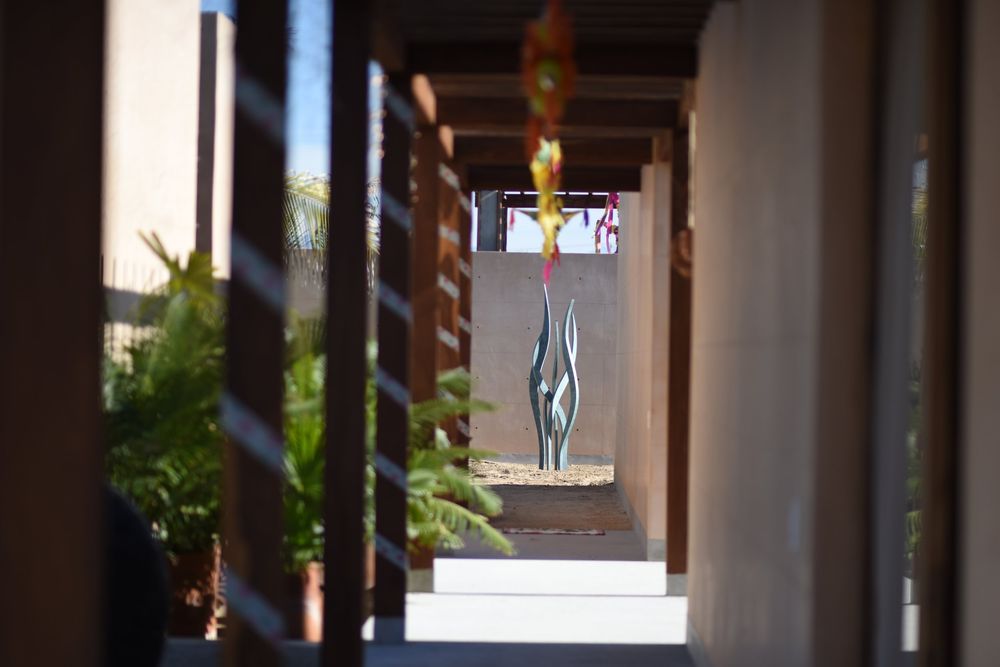
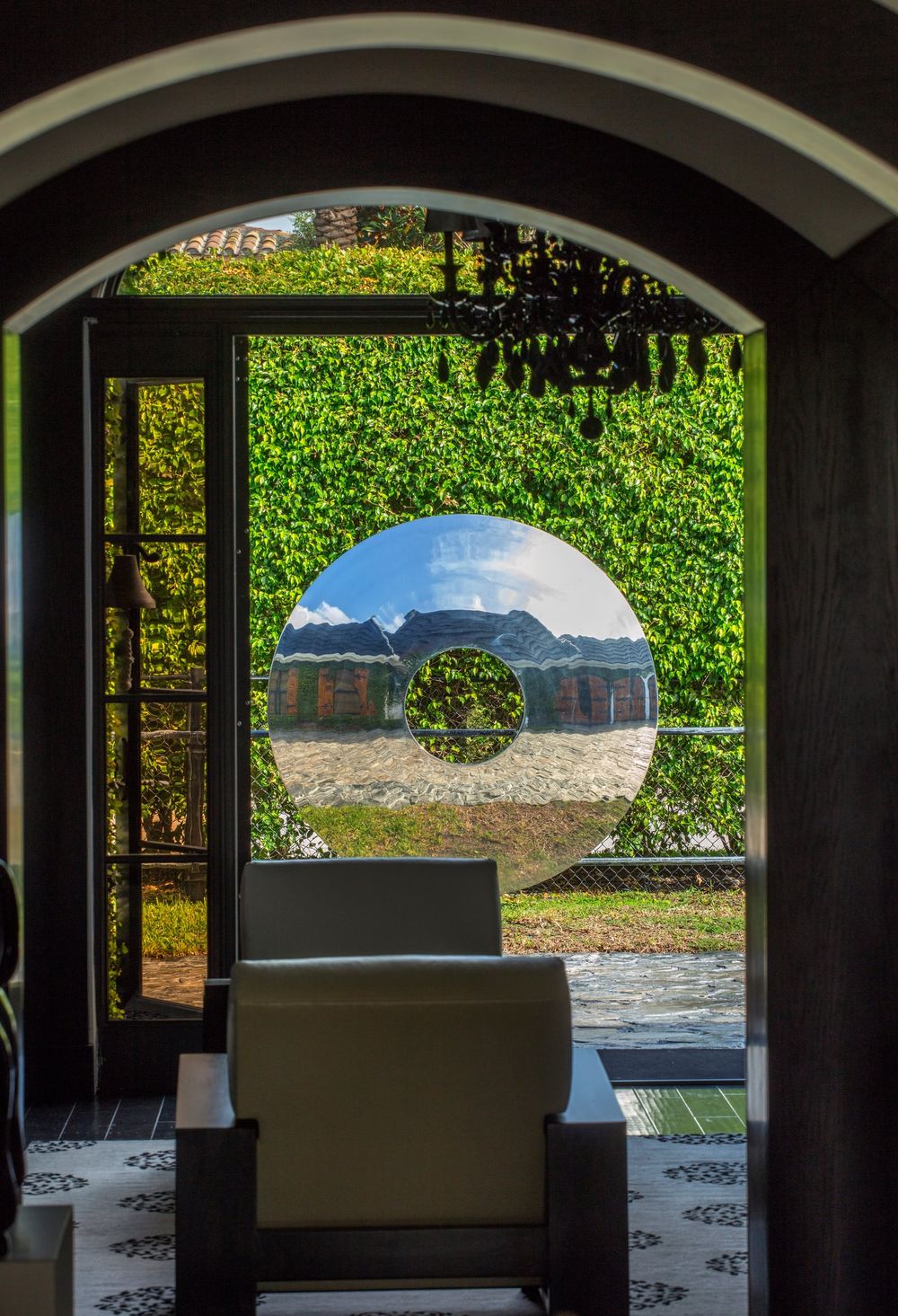
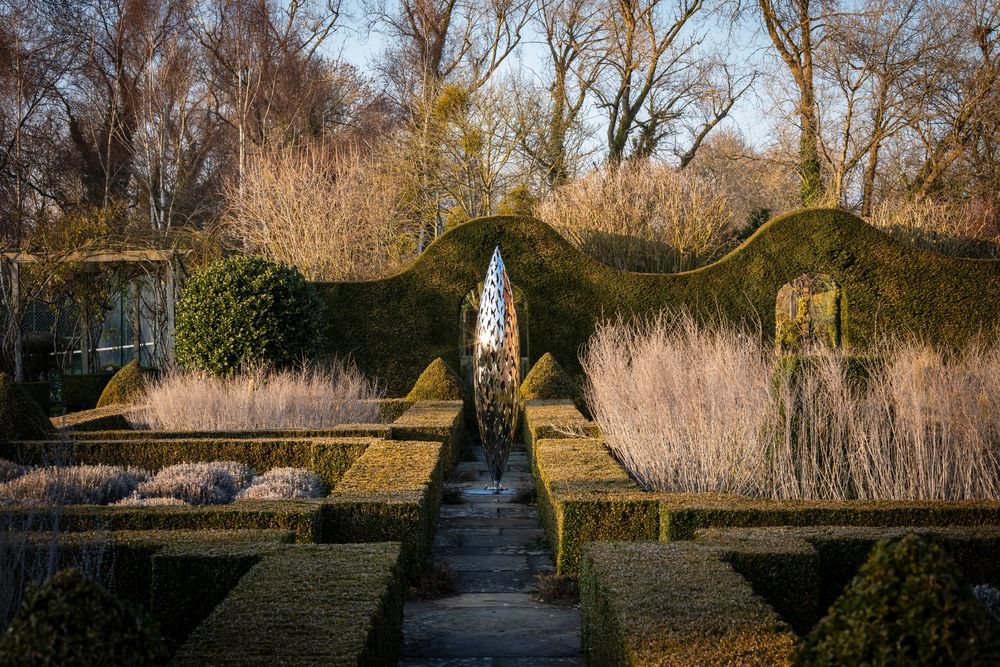
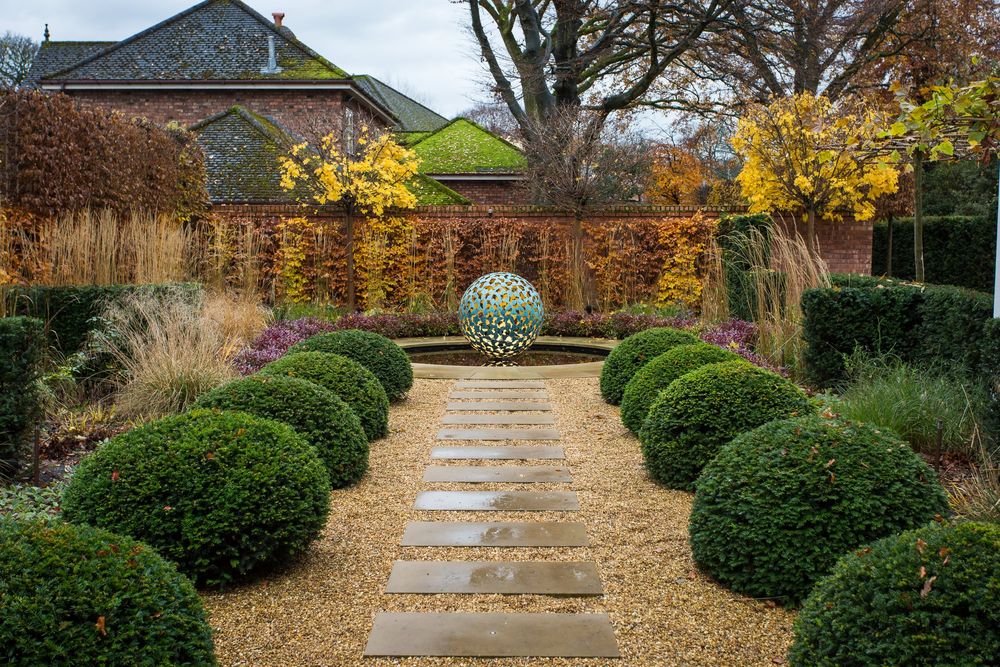
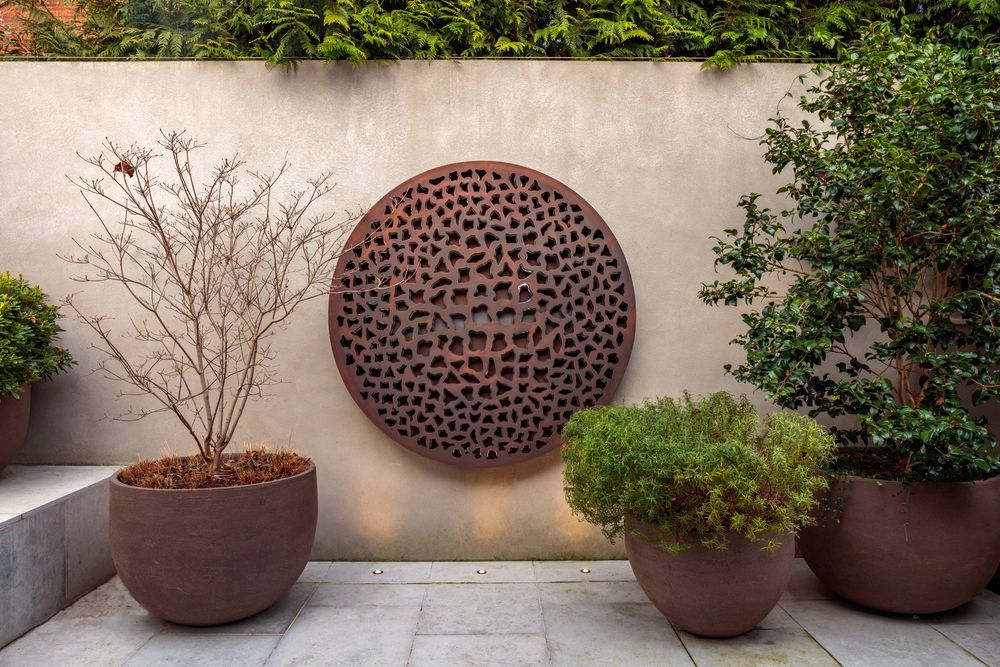
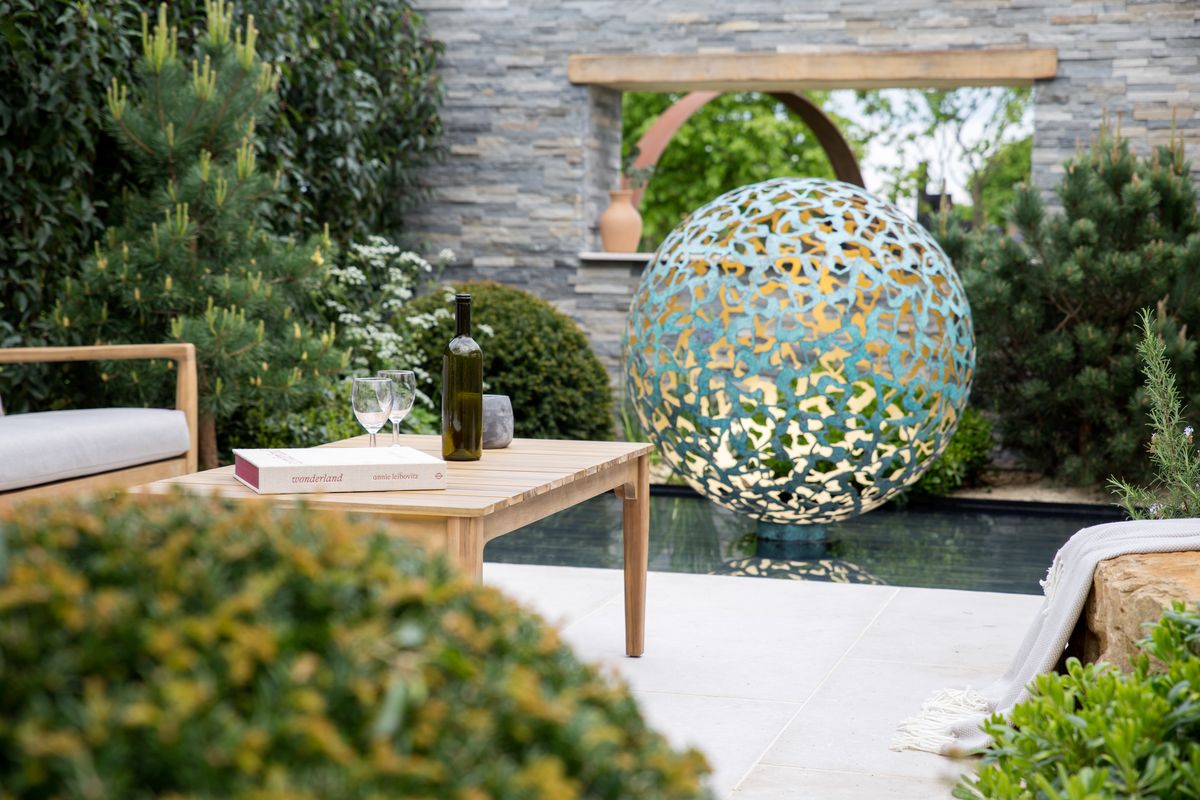
A blank wall is an opportunity waiting to happen. Rather than letting a boundary fade into the background, treat it as the anchor of the whole garden. A single striking sculpture, positioned centrally or at the end of a sightline, draws the eye and gives visitors a natural place to pause. Choose a piece that contrasts with its surroundings — a sleek, reflective form against soft planting, or a warm bronze tone against concrete block — so it reads as a deliberate statement rather than an afterthought. Scale matters here: too small and it disappears against the wall, too large and it overwhelms the space. Getting the proportions right turns an ordinary boundary into the garden’s signature moment, the detail people remember long after they’ve left.
Design a living wall
Living walls soften hard boundaries and bring a lush, textured backdrop to any garden, however small. Built from modular planting systems using succulents and ferns or simple trellis supports layered with climbers, they transform an unremarkable fence or brick wall into a green, breathing feature. Beyond the visual impact, green walls offer real practical benefits: they support biodiversity by giving pollinators and birds somewhere to shelter and help muffle noise from neighboring properties or busy streets. Choose evergreen species for year-round coverage or mix in seasonal flowering plants for bursts of color. In tighter courtyard spaces, a living accent wall can do double duty as both boundary and planting bed, making the most of vertical space when ground-level real estate is limited. If a complex living wall is out of budget, hanging baskets or wall-mounted plant pots filled with bedding plants or herbs are easy ways to introduce color and scent into the garden.
Use visual cues instead of hardscaping materials
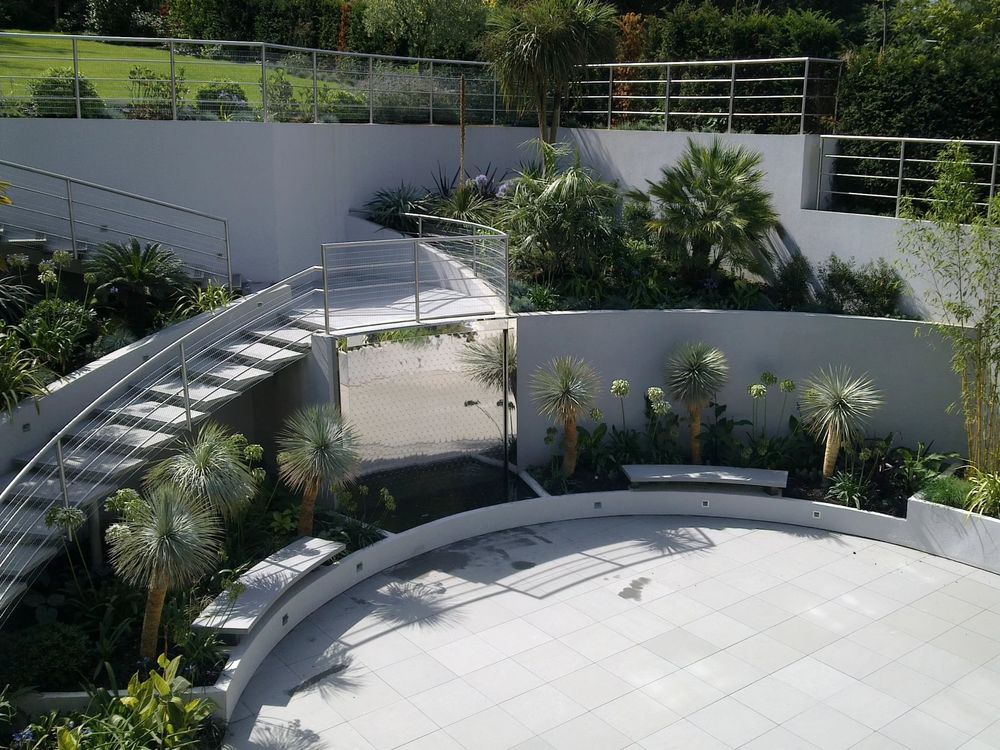
Not every boundary needs heavy materials to feel considered. Sometimes the most effective approach is suggestion rather than substance — using color, pattern or a subtle change in surface to signal a transition between zones without the cost or visual bulk of a wall or a fence. A shift in paint tone, a run of gravel against paving, a sculpture, or a slender line of lighting can all imply a boundary just as effectively. This is a particularly useful trick in smaller gardens, where solid structures can dominate. Visual cues keep sightlines open and helps the space feel larger, while still giving each area its own distinct identity and sense of purpose within the wider garden.
Introduce mixed textures
Combining materials along a single boundary line adds depth and stops the eye from settling on one flat surface. Pair rough natural stone with smooth rendered panels or introduce weathered timber alongside polished or patinated metal accents, and the wall itself becomes a point of interest rather than simply a backdrop. Mixed textures also help a boundary respond to changing light throughout the day — rougher surfaces catch shadow and highlight in the morning and evening sun, while smoother finishes reflect brighter midday light. This approach works particularly well where a garden spans several distinct areas, allowing texture changes to subtly mark the transition from a formal seating area, say, to a more relaxed planting zone, without needing a hard physical divide.
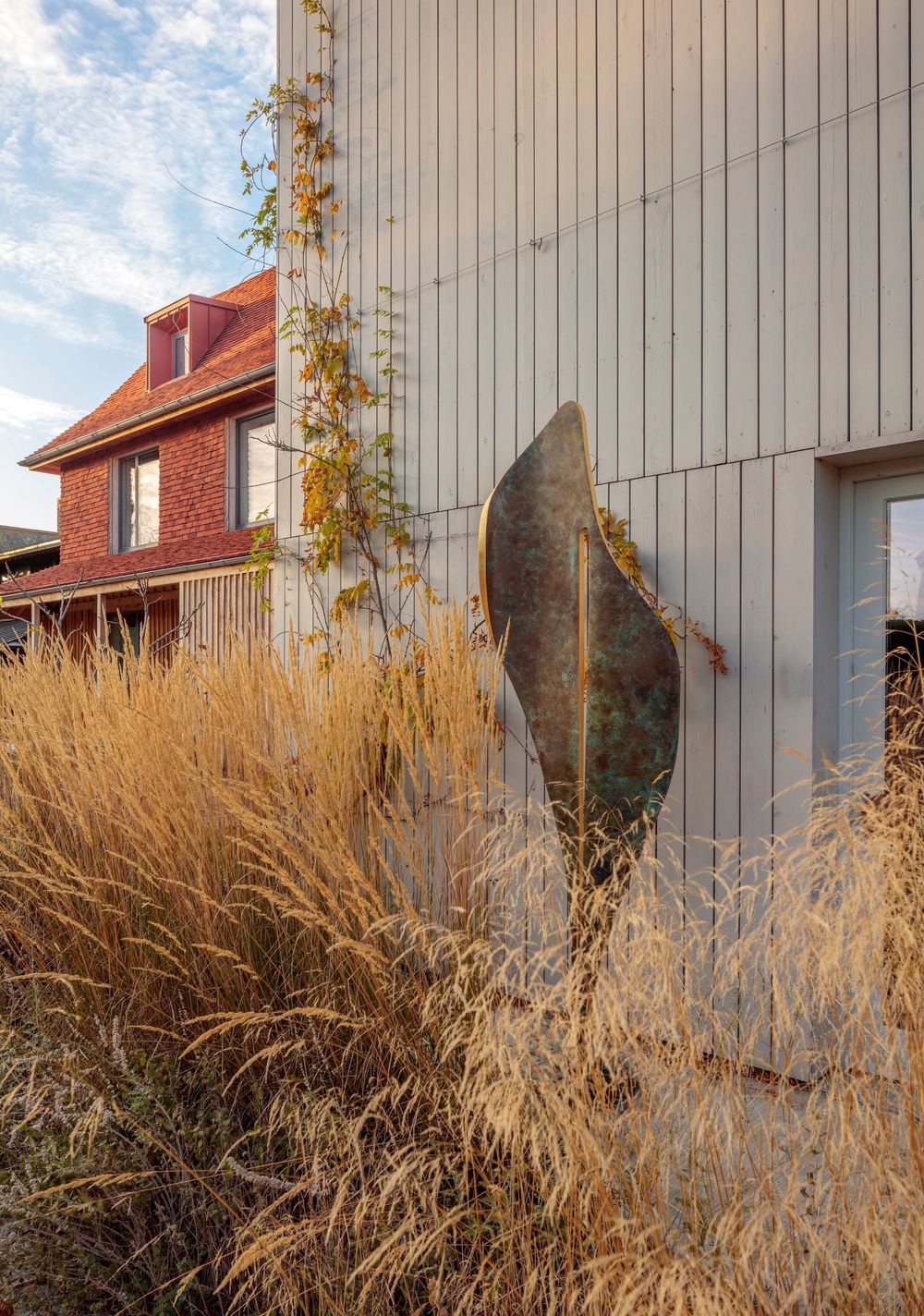
Embellish garden rooms
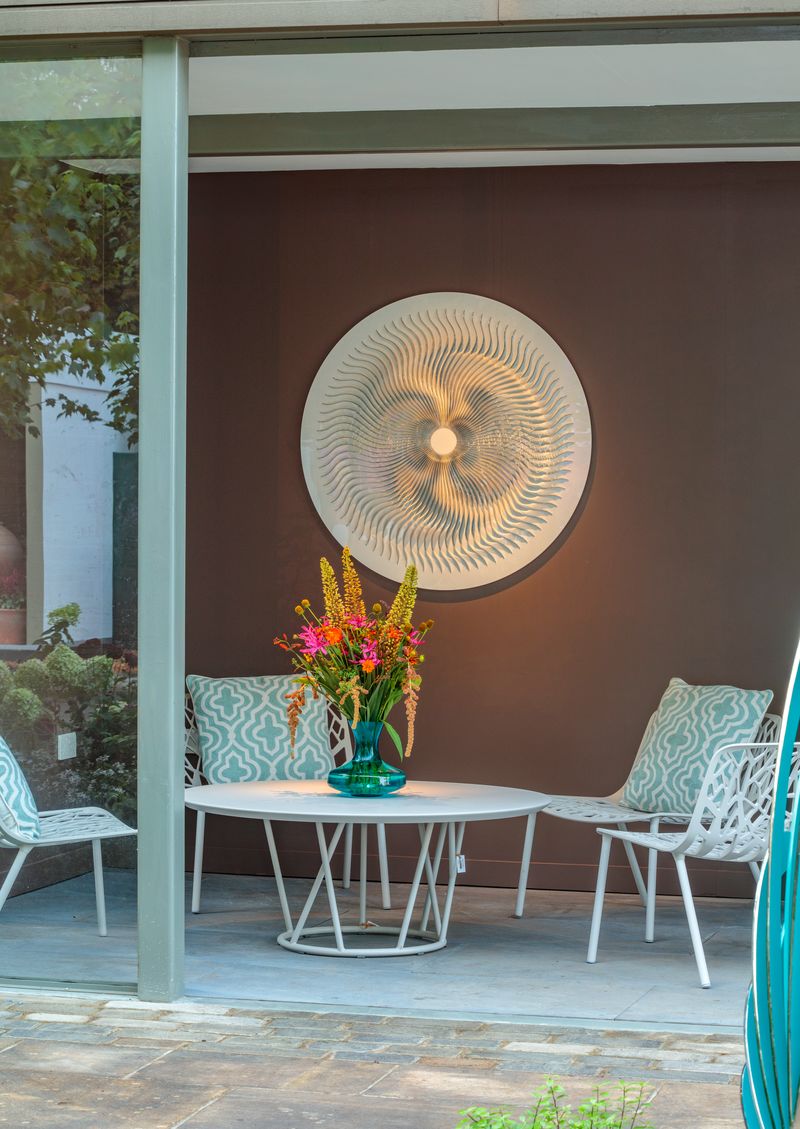
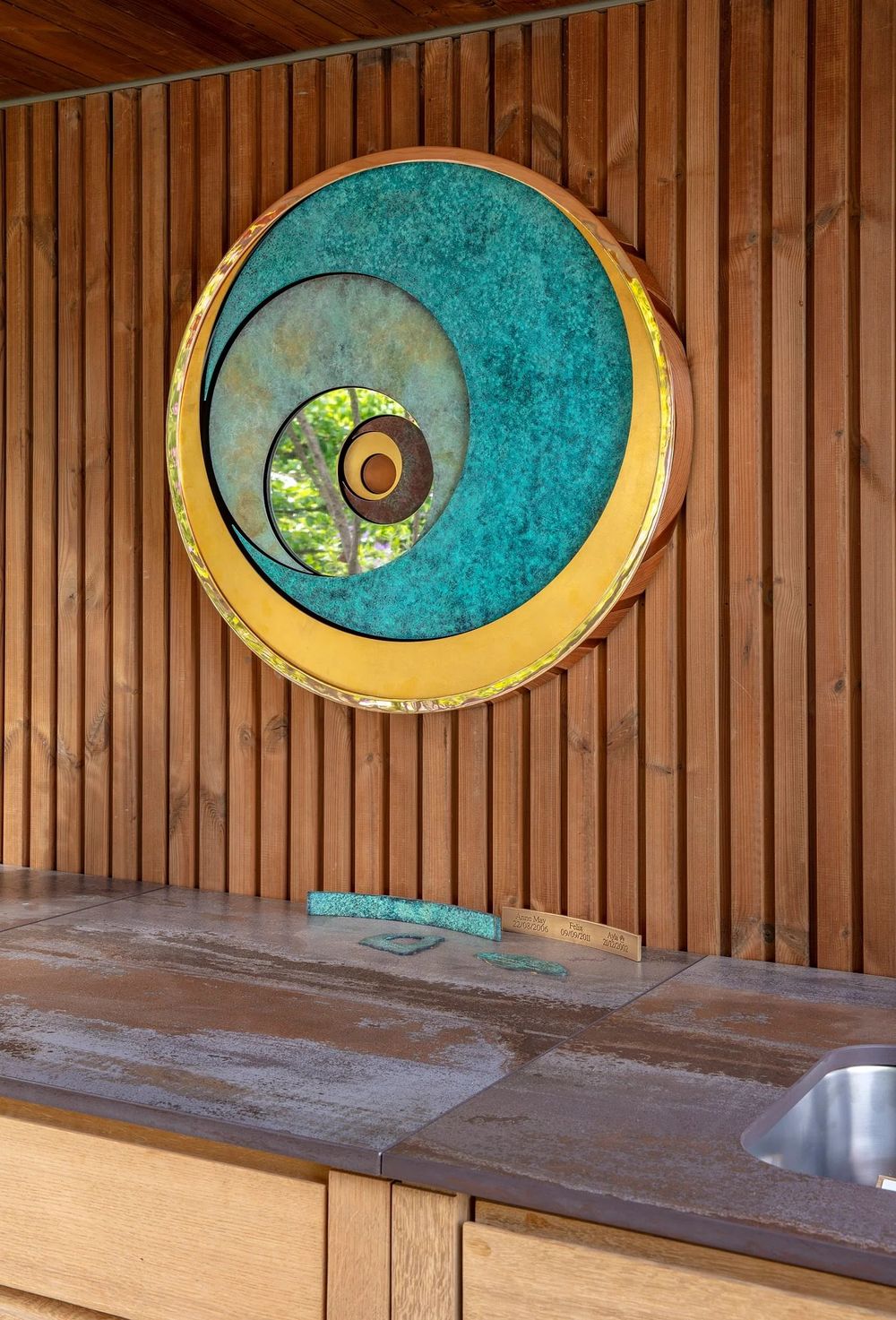
Outdoor living spaces — a garden office, an outdoor kitchen, a covered seating area — need more than good planting to feel finished. Garden ornaments and wall art lift these spaces from functional to genuinely beautiful, offering a chance to express personality and tie the style of the home to the garden beyond it. Pairing these features with lighting or reflective surfaces extends their impact into the evening and through every season, so the space never feels flat, whatever the weather.
Play with optical illusions
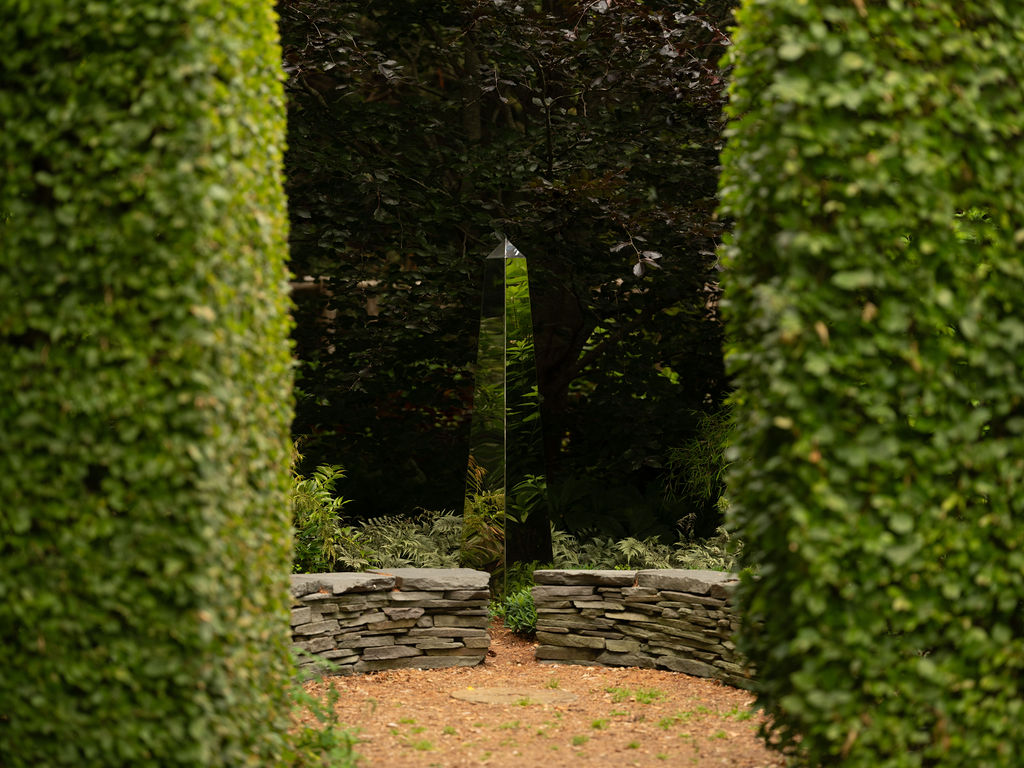
Boundaries don’t have to announce themselves as solid, finite lines. Mirrors and carefully angled screens can all be used to trick the eye, making a garden feel larger, deeper or more open than its actual dimensions. These tricks are especially valuable in compact courtyard or city gardens, where every extra sense of space counts. Used sparingly and positioned thoughtfully, optical illusions add a playful, unexpected element that keeps a garden feeling dynamic rather than static.
Consider garden screens
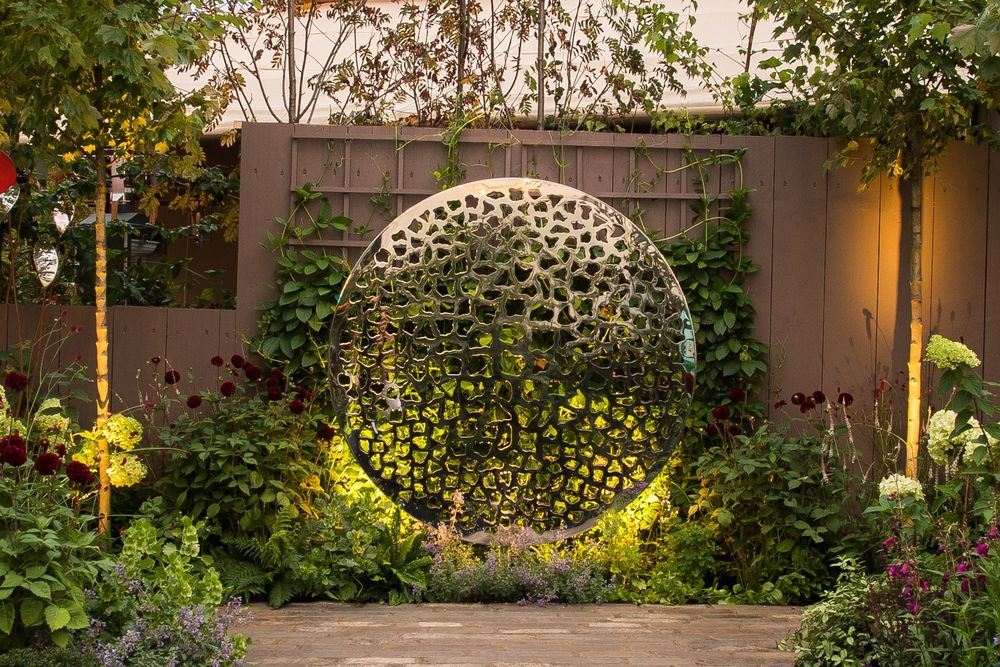
Screens offer a lighter-touch alternative to solid walls or fences, filtering views and light rather than blocking them entirely. Slatted timber, perforated metal or woven willow panels all allow glimpses through to the space beyond, creating intrigue and decoration without sacrificing privacy altogether. Because they’re semi-transparent, screens are particularly effective for dividing a garden into zones without making any one area feel closed off or overshadowed. They also cast interesting, dappled shadows as the sun moves across the day, adding a changing pattern of light and dark to the ground and surrounding planting. For gardens that need privacy but not total enclosure, a well-placed screen can strike exactly the right balance.

Install outdoor lighting
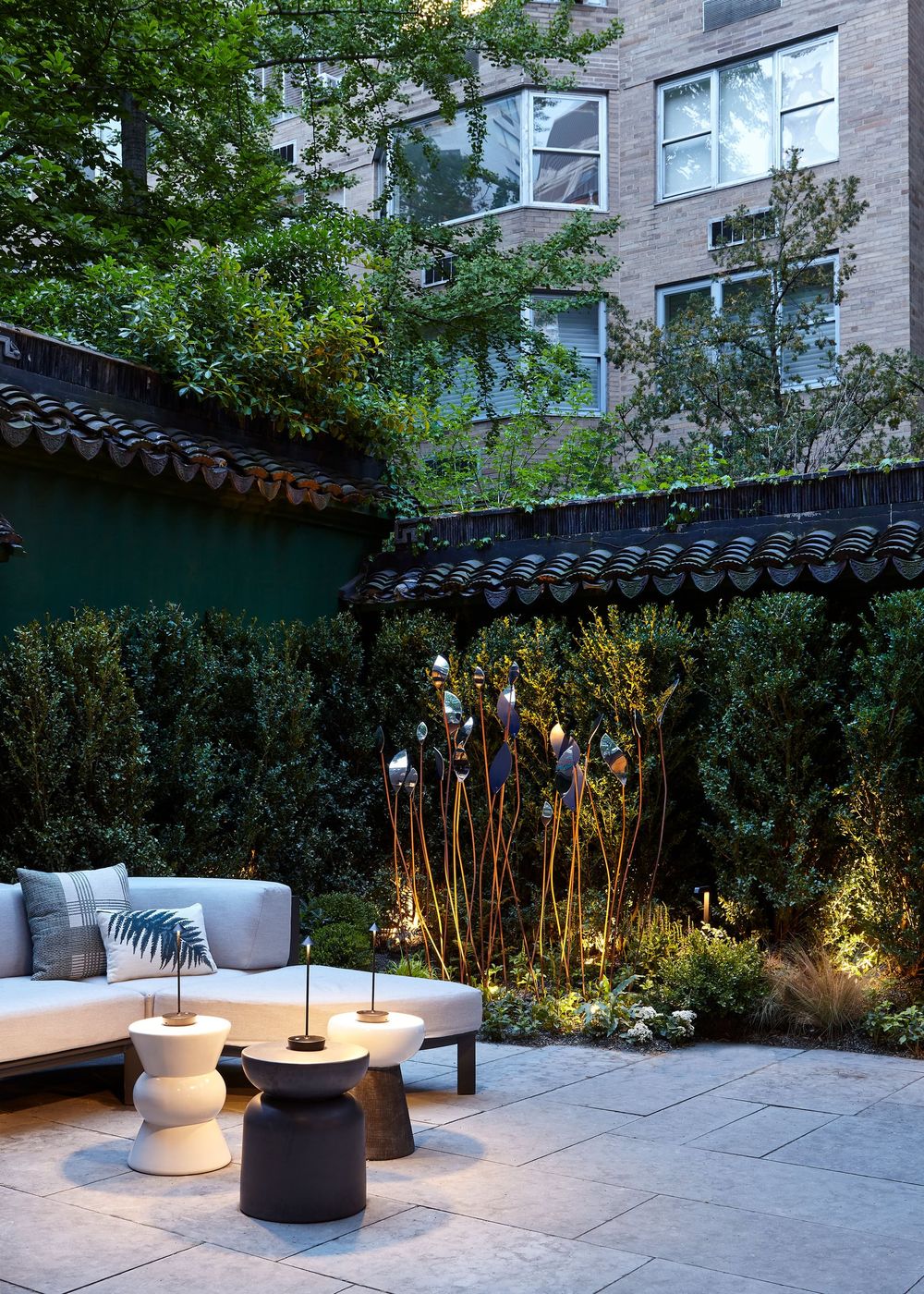
Lighting transforms a garden boundary from a daytime feature to nighttime theatre. Uplighting a textured wall throws dramatic shadows and highlights its surface detail, while soft, low-level lighting along the base of a boundary using solar lights or lanterns can define the edge of a space without harsh glare. Spotlights trained on a sculpture or focal point draws attention away from the boundary line creating visual space. Layering different types of lighting — ambient, task and accent — gives you control over mood and atmosphere throughout the seasons. A thoughtfully lit boundary means the garden never fully switches off once the sun goes down.
Enhance axis lines
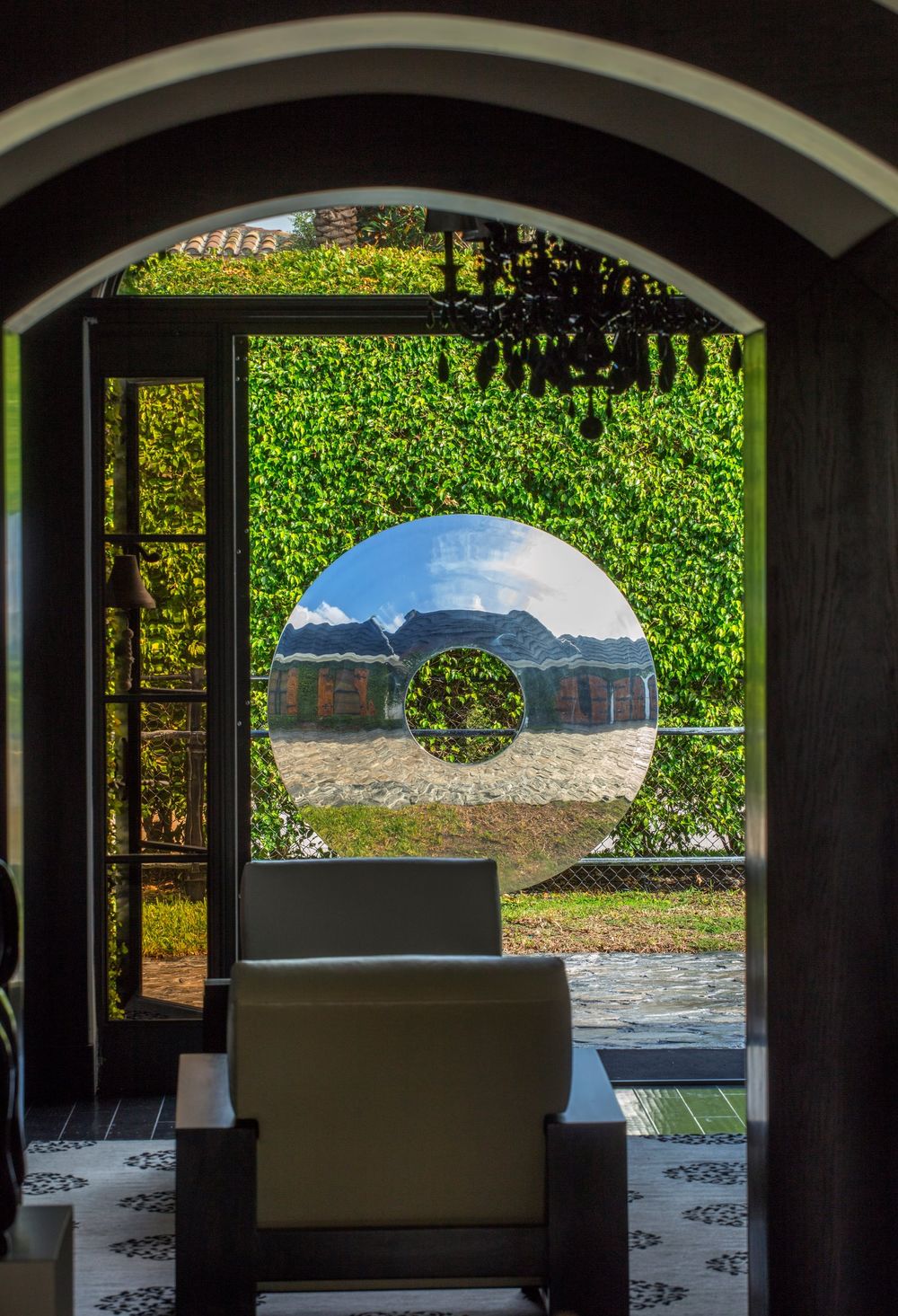
Every garden has natural sightlines running through it, whether from a back door, a window, or a path. Treating your boundary as the endpoint of one of these axis lines gives the whole space a sense of order and intention. A sculpture, water feature or planting cluster positioned precisely along this line rewards the eye every time it travels the length of the garden, whether from inside the house or from within the space itself. This technique is particularly effective in formal or symmetrical layouts, where a strong axial view can make even a modest garden feel grander and more considered than its actual size might suggest.
Add a water wall
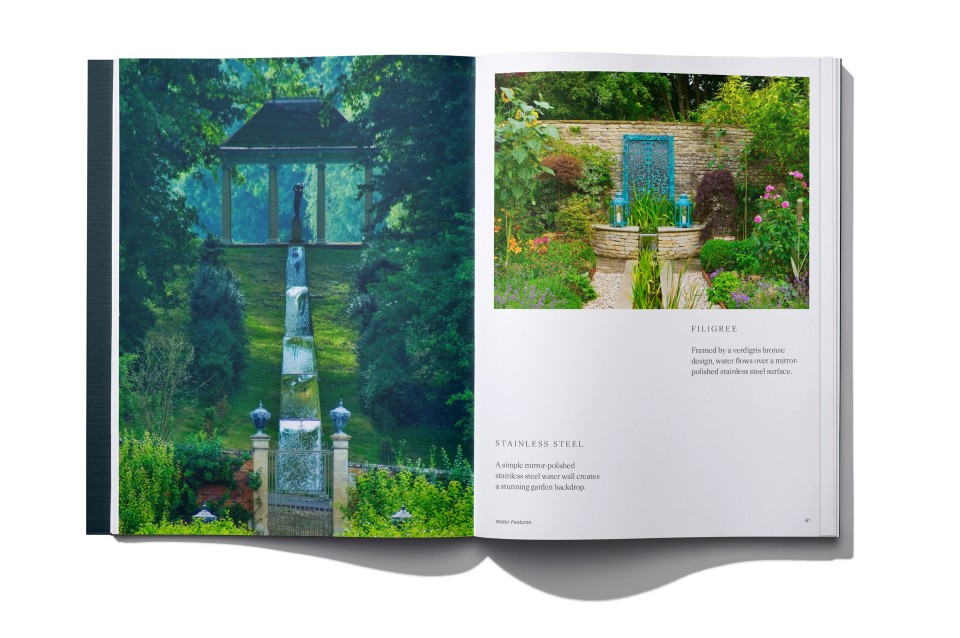
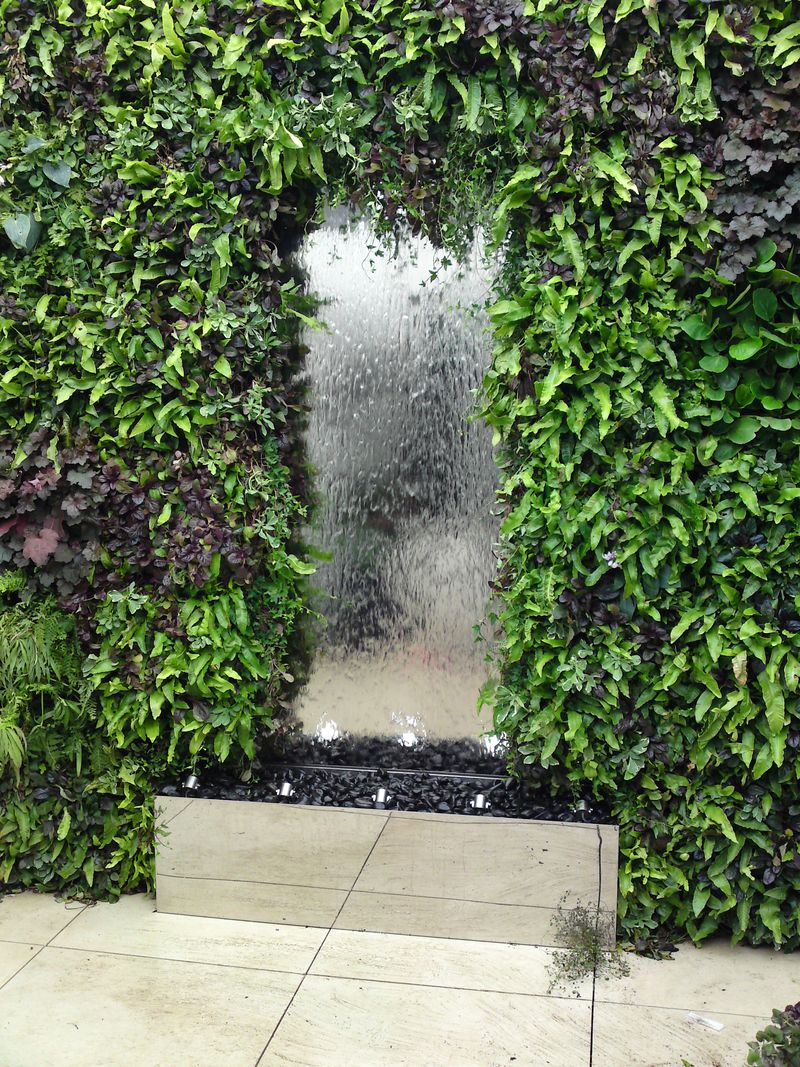
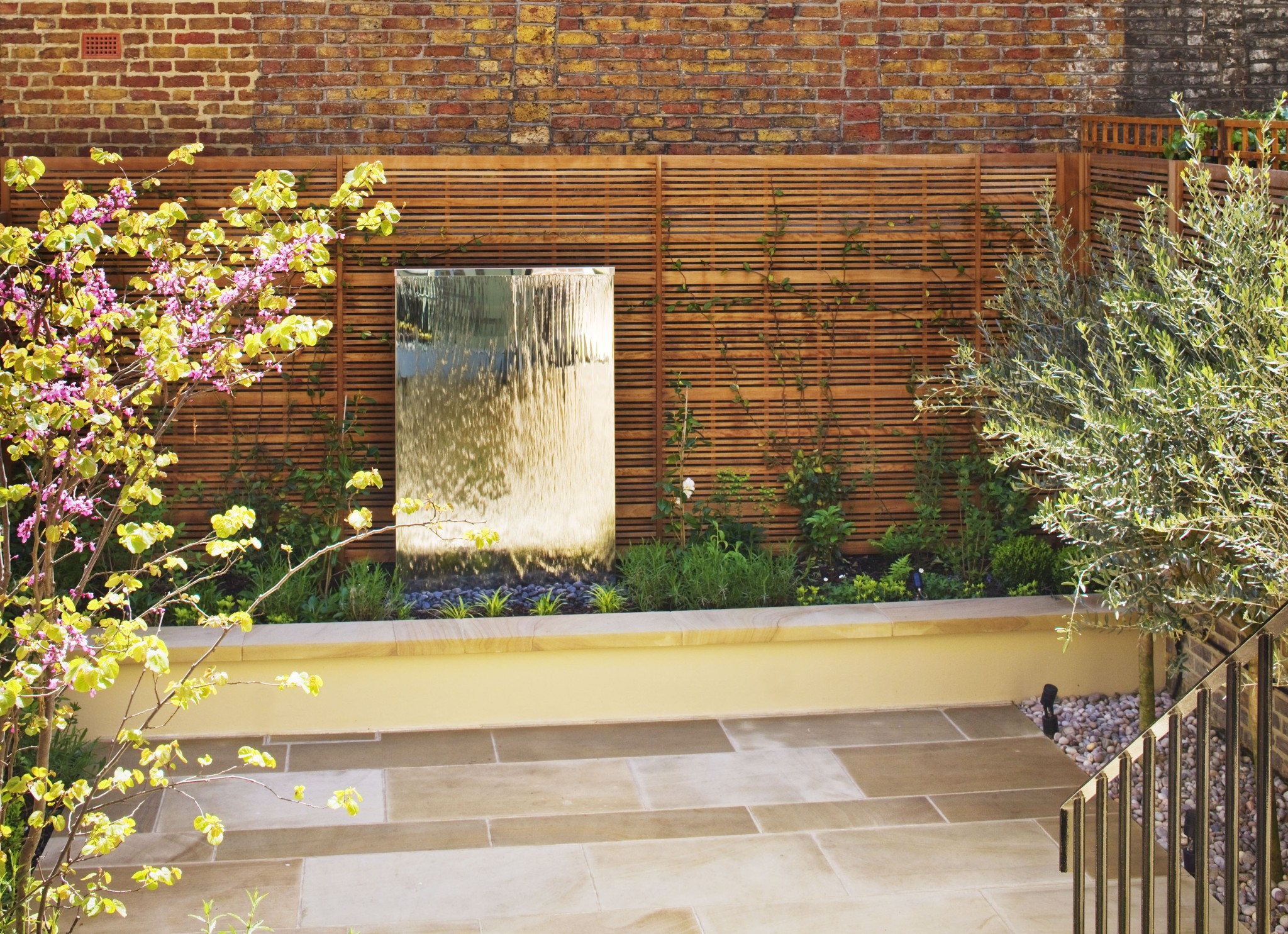
Few features bring as much atmosphere to a boundary as moving water. A water wall combines sound, movement and reflection, turning a static structure into something sensory and alive. The gentle sound of water running down a textured or sculpted surface can help mask traffic noise or neighboring chatter, creating a more private, immersive feel to the garden. These striking waterfalls also catch and reflect light beautifully, adding sparkle during the day and a soothing glow when lit at night. They work well as a single dramatic statement piece or repeated along a boundary for a more continuous, calming effect — either way, they turn a passive wall into the garden’s most memorable sensory feature.
Hang a garden mirror
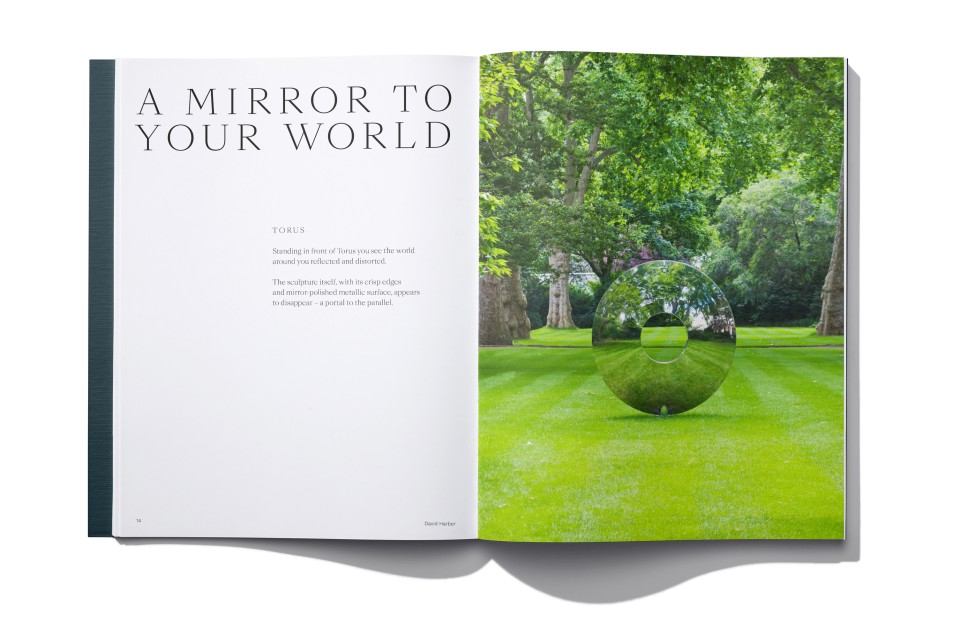
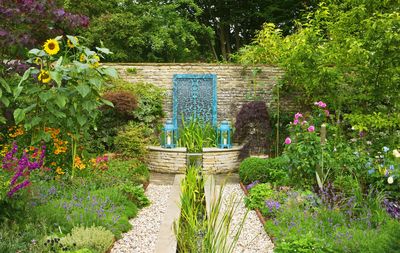
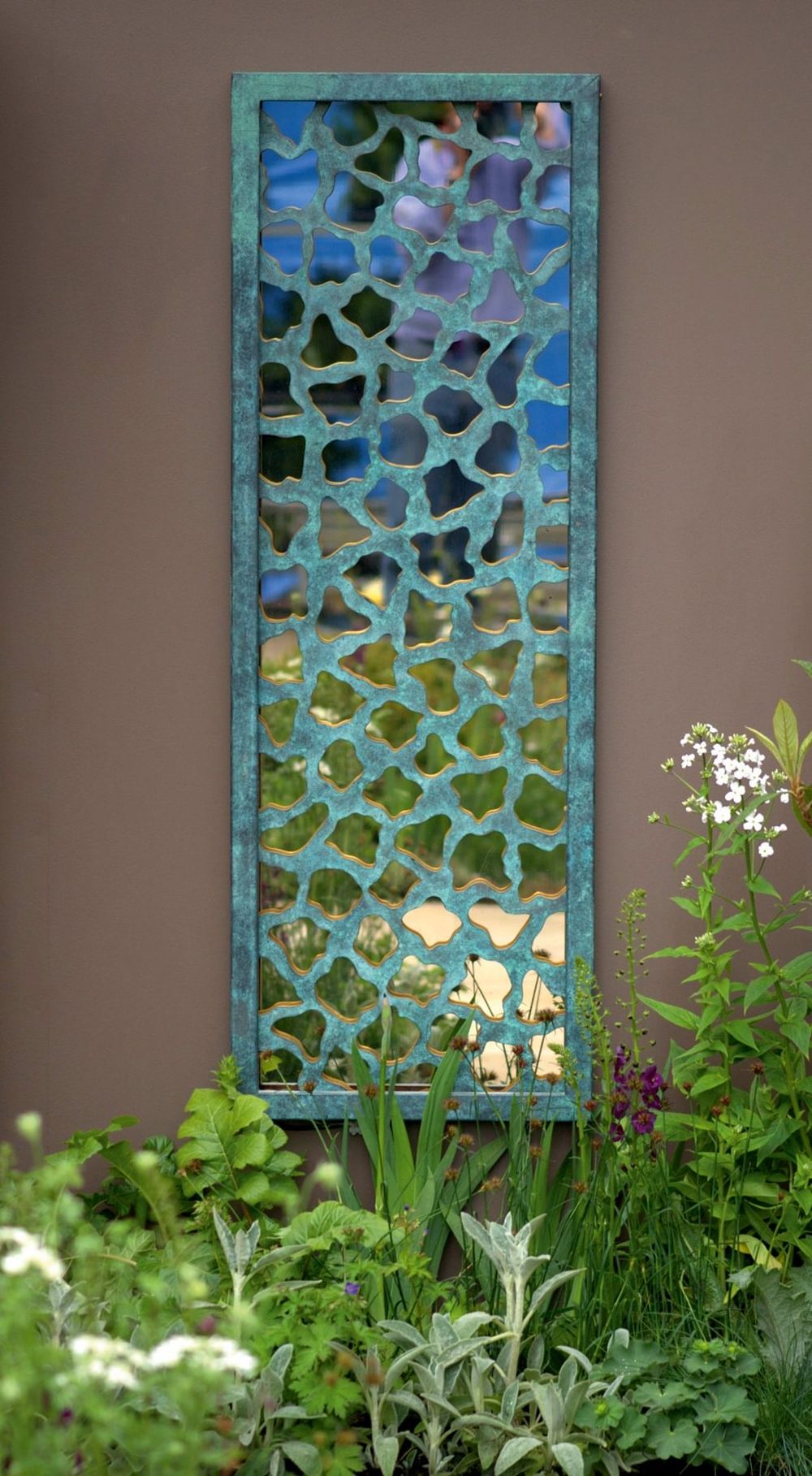
A well-placed outdoor mirror is one of the simplest ways to make a garden boundary feel less like a hard stop. By reflecting planting, sky or an adjacent feature, mirrors create the illusion of extra depth and can make even a small, enclosed garden feel considerably larger. Beyond the practical trick of space, an ornamental mirror or mirrored sculpture also adds a decorative focal point, catching and bouncing light around the garden throughout the day. Position mirrors carefully to reflect something worth seeing rather than an unremarkable fence or neighboring wall and avoid angles that reflect direct sunlight into seating areas.
Extend interest all year round
A boundary that only performs in summer misses half its potential. Combine structural, textural or sculptural elements with planting that changes through the seasons, so the wall offers something to look at in every month of the year. Evergreen climbers provide a constant backdrop, while seasonal additions — spring blossom, autumn color, winter stems — bring variety against that steady base. Sculptural or lighting features are particularly valuable here, since their impact doesn’t depend on the growing season at all. By layering permanent structure with changing planting, a garden boundary becomes a feature you notice and appreciate in January just as much as in July, rather than something that fades into the background once summer ends.
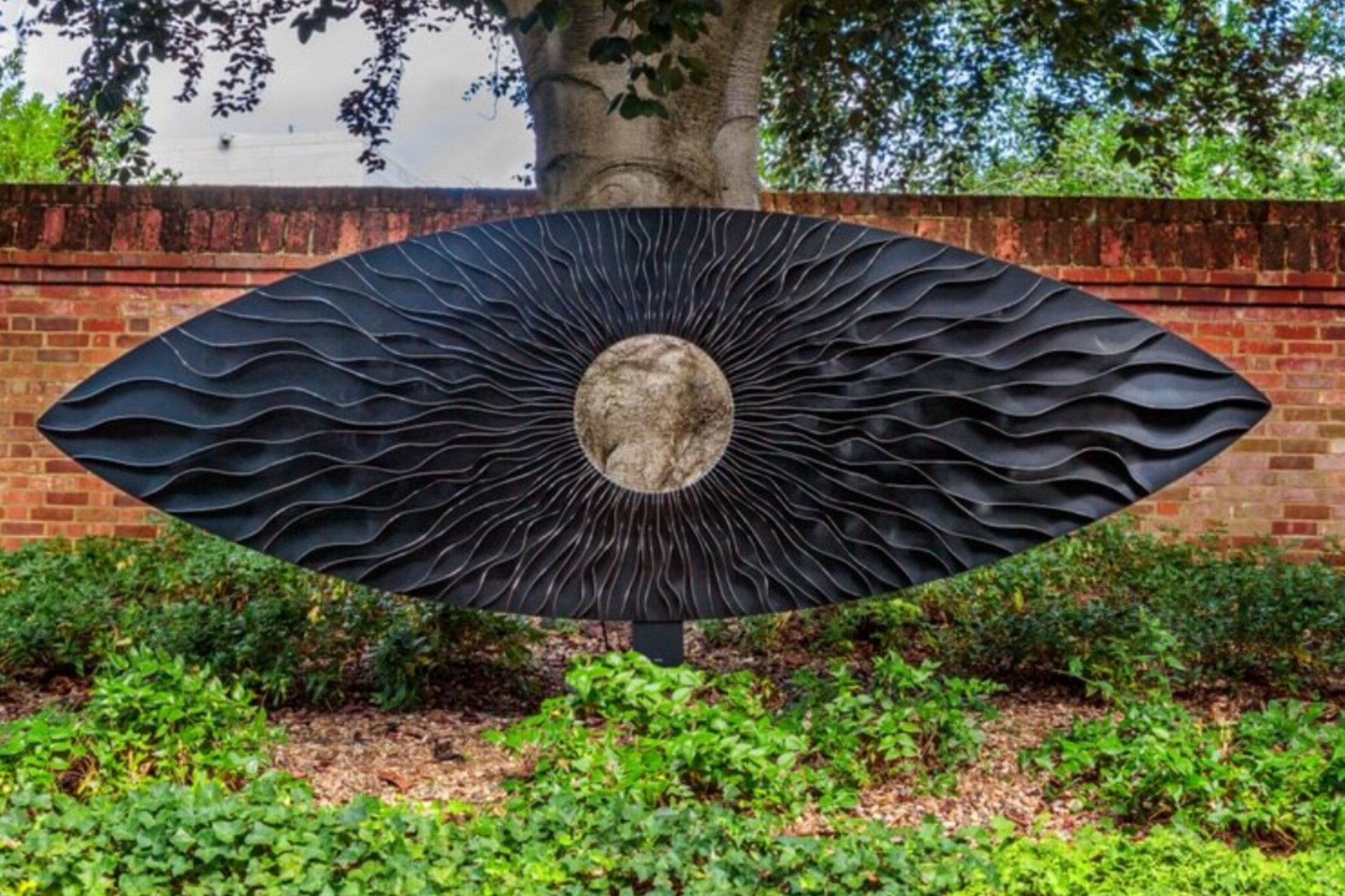
Make a statement with bespoke art
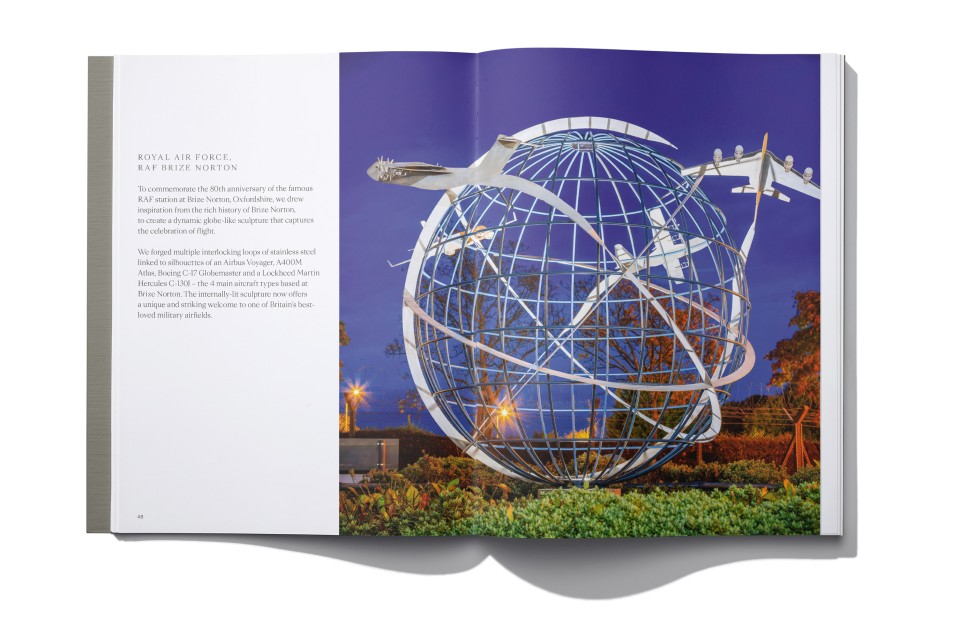
For those wanting a truly individual garden, a bespoke art piece designed specifically for the space can elevate a boundary into something genuinely unique. Unlike off-the-shelf features, commissioned artwork can be scaled, shaped and finished to suit the exact wall, light conditions and style of the surrounding garden, ensuring the fit feels intentional rather than incidental. Bespoke pieces also allow for personal meaning — a design inspired by your life story, a material with particular significance, or a form that responds directly to the architecture of the house. While this route requires greater investment of both time and budget, the result is a feature no other garden will have, and one that becomes the defining character of the space.
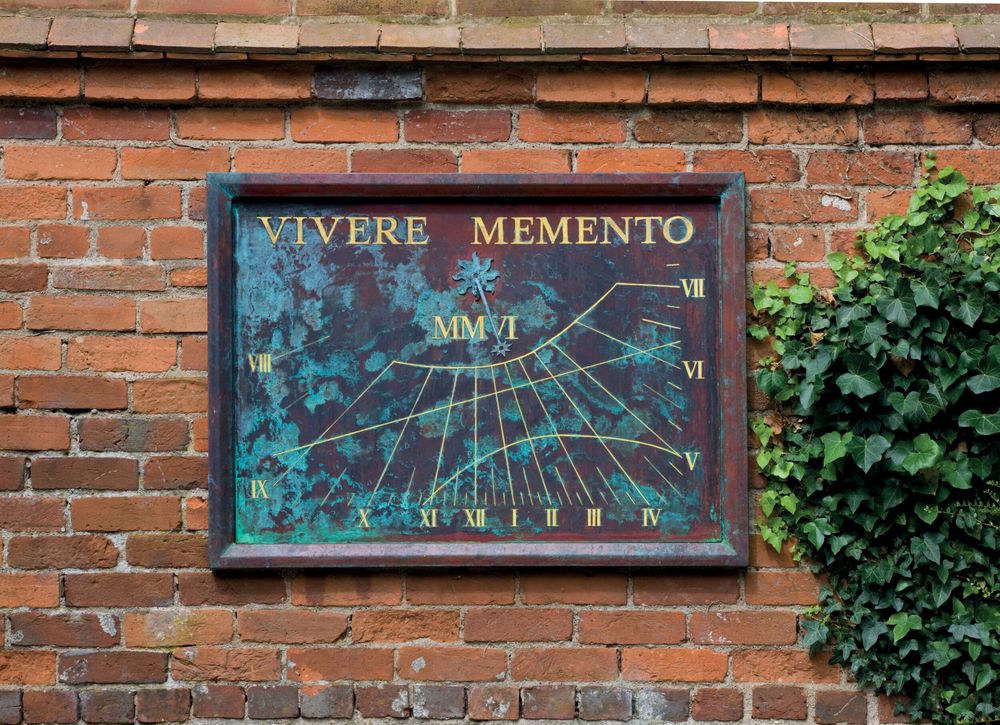
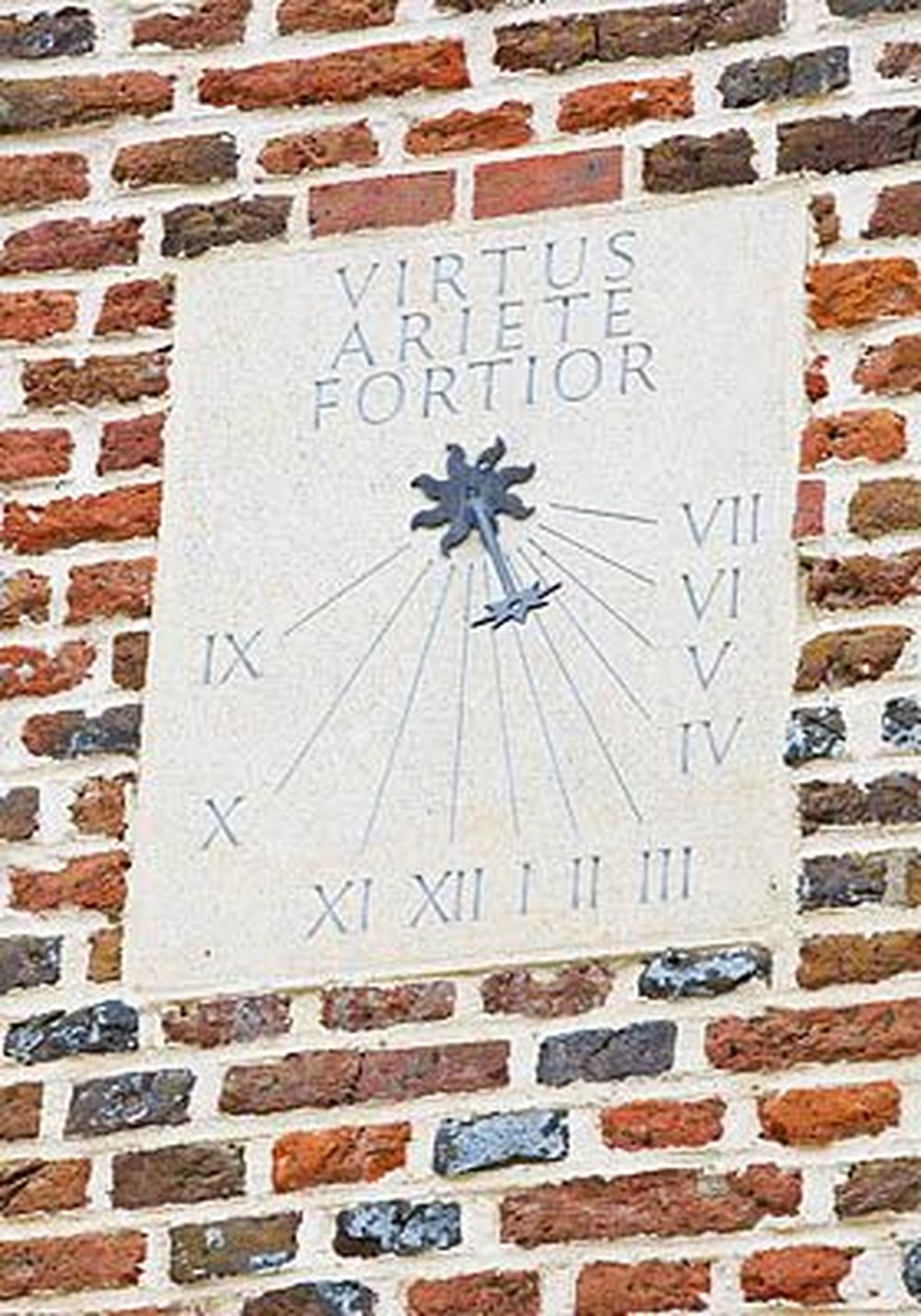
Consider a vertical sundial
A vertical sundial brings both function and craftsmanship to a garden wall, marking the passage of the day in a way that feels timeless rather than trend led. Unlike traditional horizontal sundials, which need open, level ground, vertical versions are designed specifically to sit against a boundary, making them ideal for gardens where space is at a premium. Beyond their practical use, they add a strong sculptural presence, with the shadow cast by the gnomon shifting visibly throughout the day and across the seasons. To work as functioning timepieces, vertical sundials need plenty of hours of sunshine. A south-facing wall is ideal.
Build built-in seating
Integrating seating directly into a boundary wall makes the most of every inch of garden space, particularly valuable in smaller plots where freestanding furniture can quickly clutter a layout. A built-in bench along a wall creates a natural gathering point, often positioned to take advantage of a sunny aspect or a favourite view across the garden. Beyond practicality, built-in seating also reinforces the sense that the boundary is a considered part of the design rather than simply a perimeter marker. Add cushions, a timber slat finish or planting either side to soften the structure further, and the wall shifts from a dividing line into a genuine destination within the garden itself.
Draw inspiration from existing materials
Using the colors or materials in the garden or the architecture of the home as inspiration, build up subtle tonal layers along a boundary to create depth and sophistication. This layered approach works particularly well with sculptural elements, where different finishes catch the light differently and shift in appearance as the sun moves. Tonal layering rewards a closer look, offering something new to notice each time, rather than revealing its full character in a single glance.
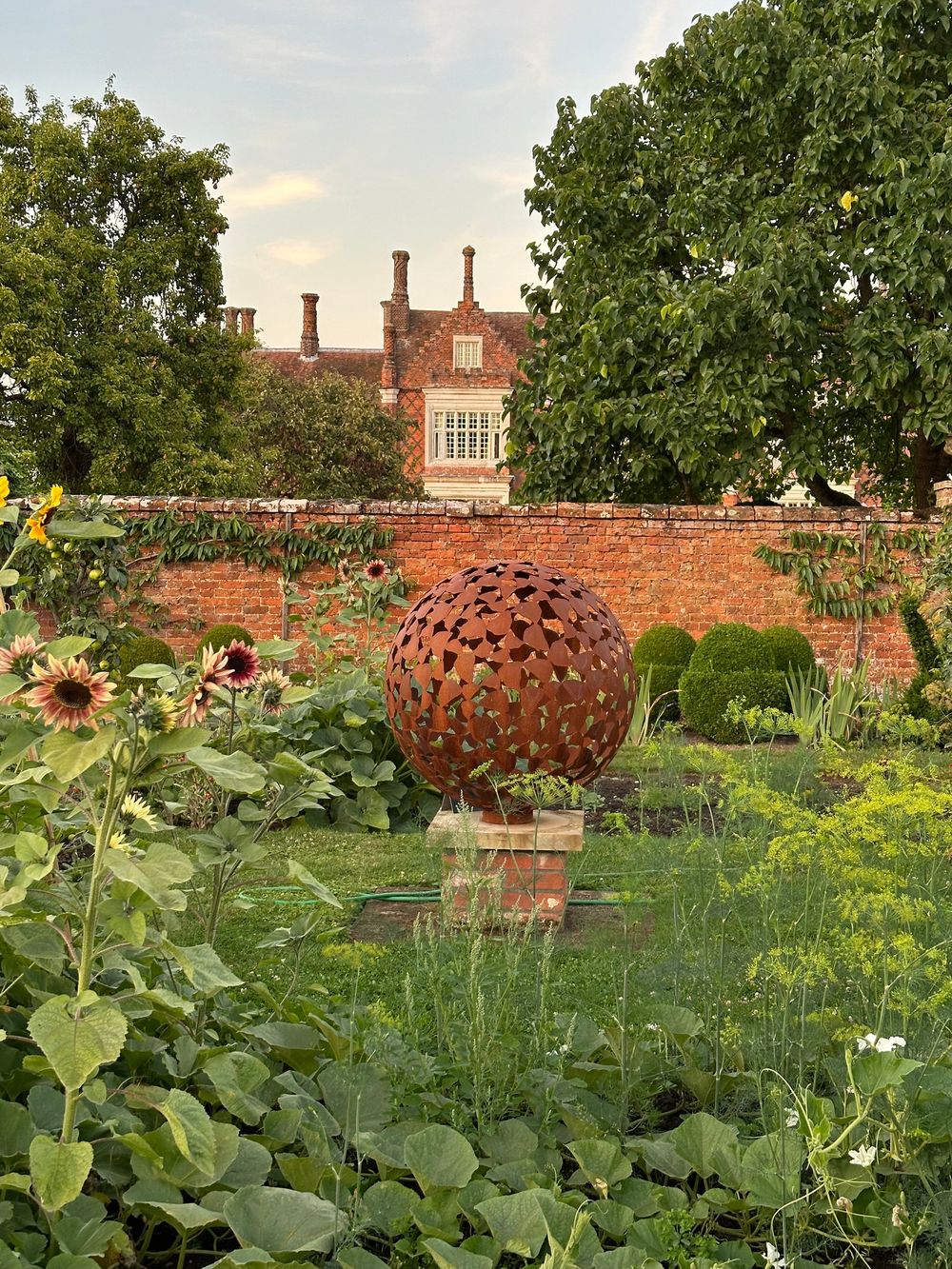
Break up greenery with sculpture
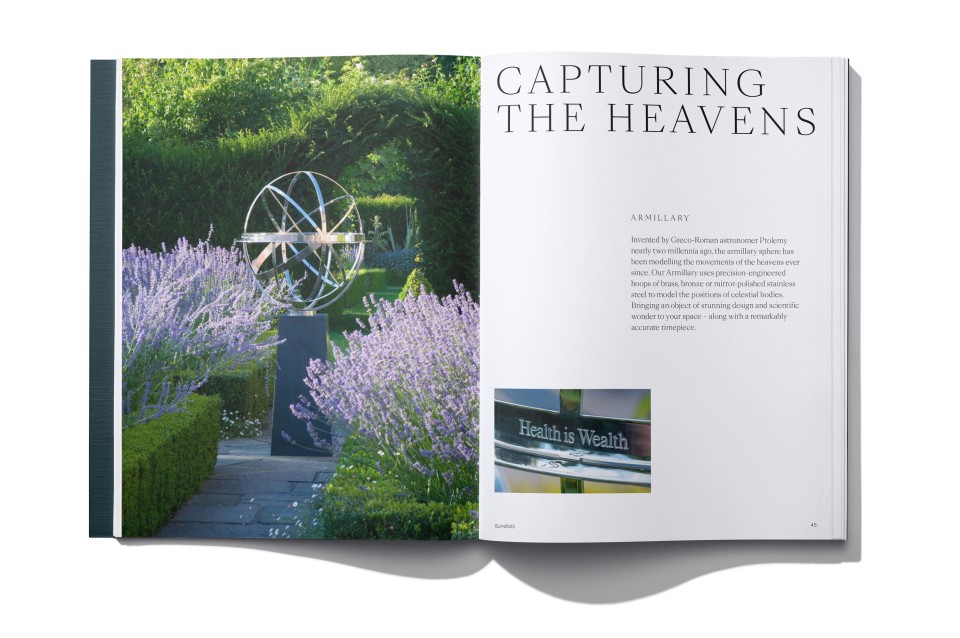
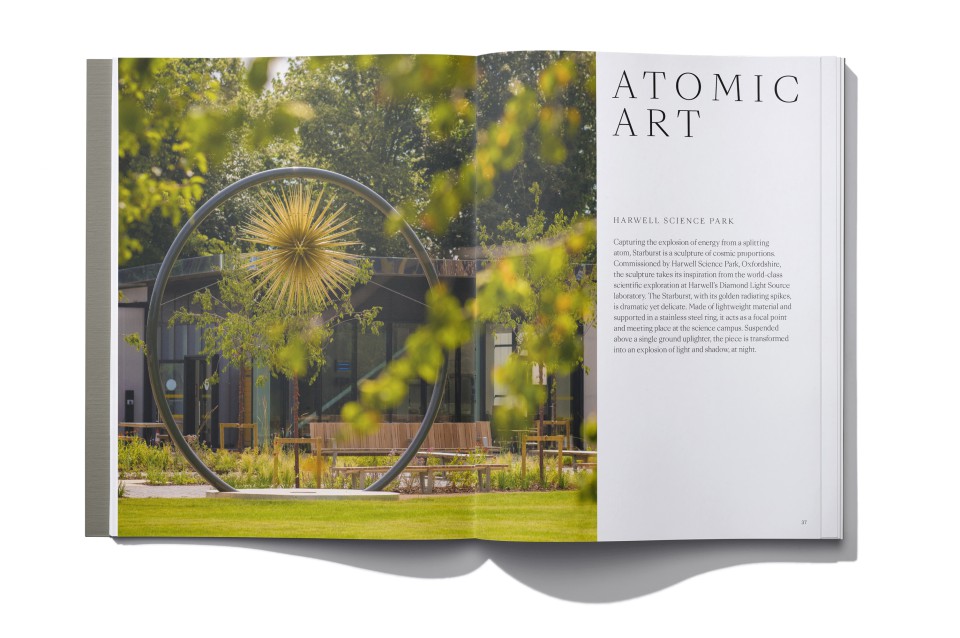
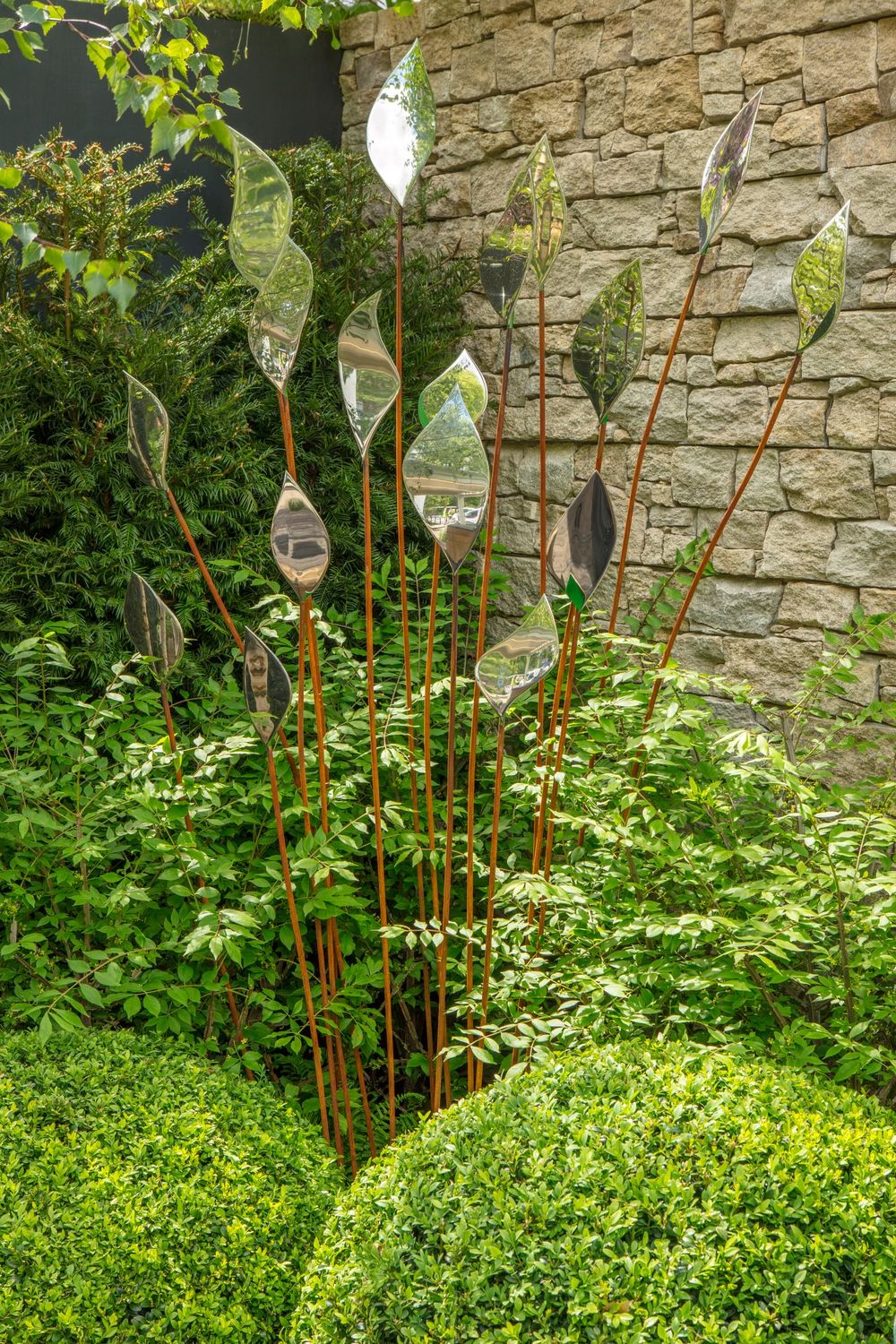
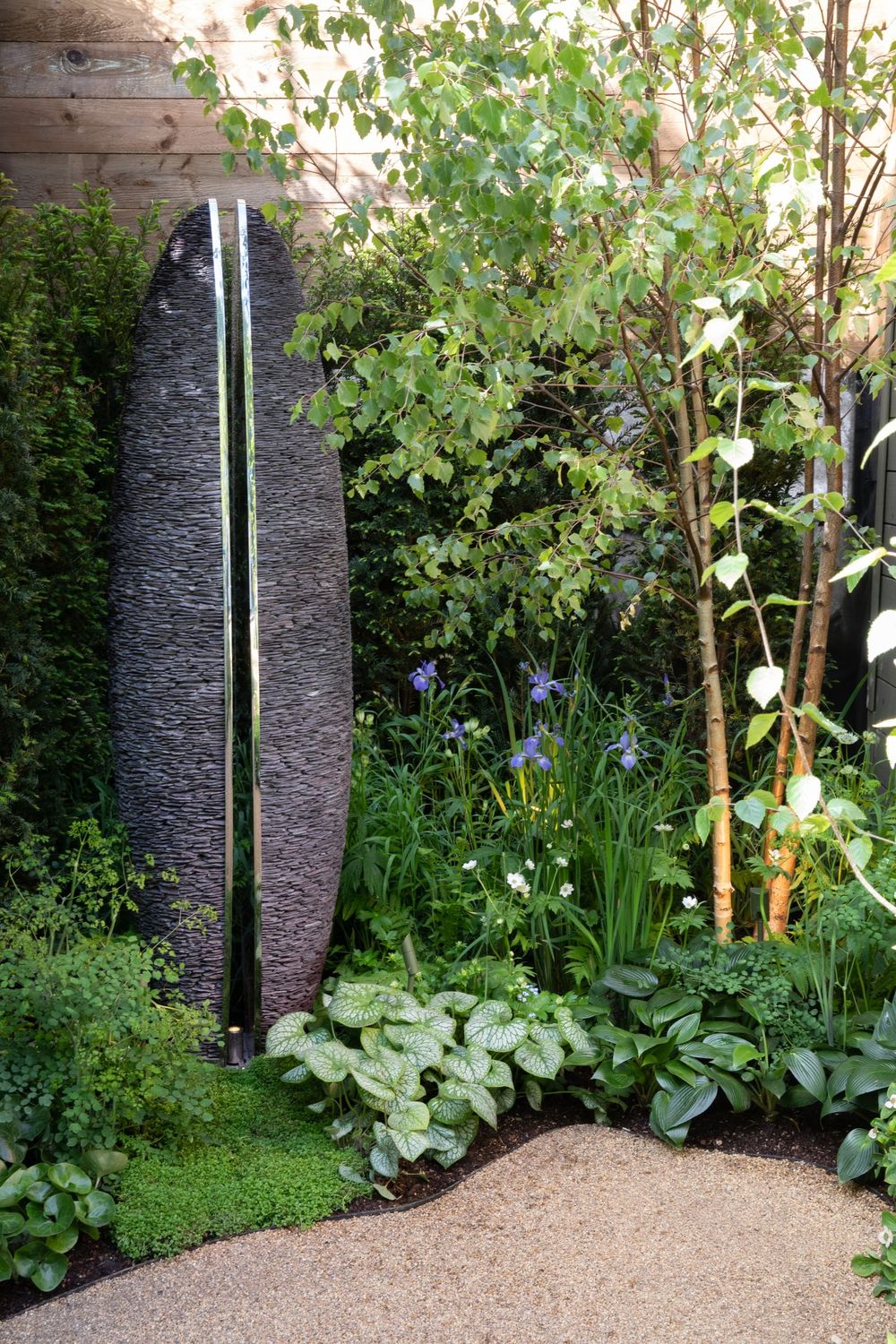
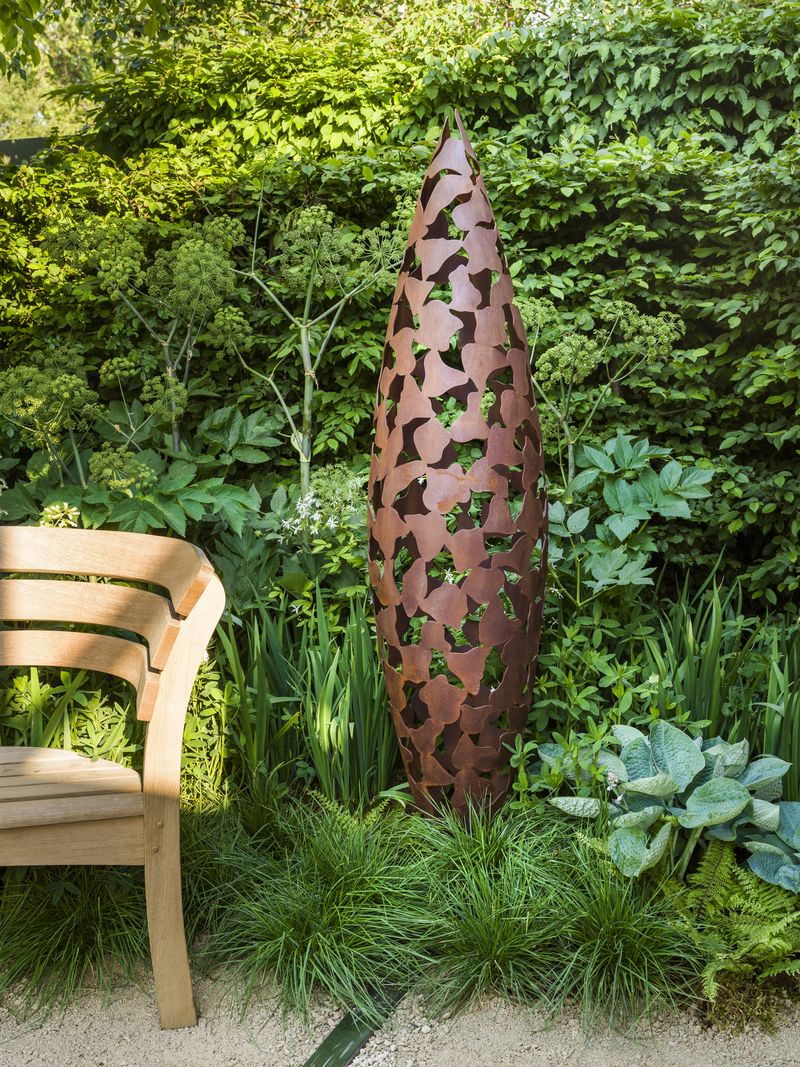
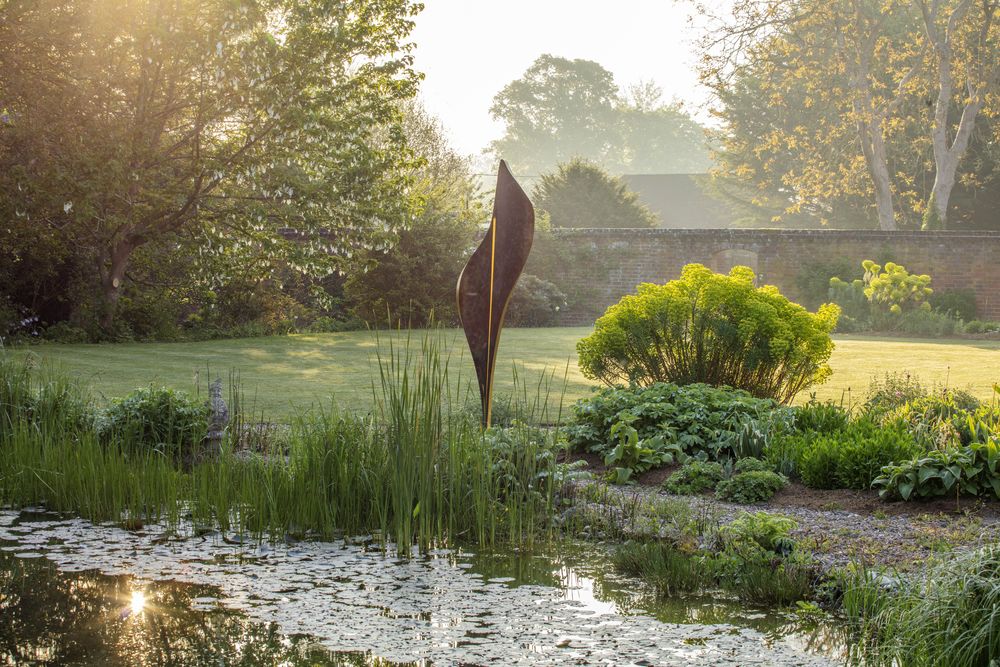
Dense planting along a boundary can feel wonderfully lush, but without a point of contrast it can also start to feel flat. Introducing a single sculptural piece within a bed of greenery gives the eye somewhere to rest and immediately elevates the planting around it. Choose a material that stands apart from the surrounding foliage — slate, oxidized or Corten steel or polished stainless steel all read clearly against green — so the piece doesn’t get lost among the leaves. Position it slightly off-center within the planting rather than dead-center for a more natural, considered feel. The result is a boundary that reads as a curated composition rather than an uninterrupted wall of green. a
How do I brighten a brick wall?
This depends on the style and finish of the brick. Some brick walls are attractive in their own right. Gently weathered, lichen-covered brick walls bring a sense of maturity into the garden, and a color injection from the mix of yellow, orange and red brick tones. New brick walls, however, can feel stark and one-dimensional, and if this is the case, consider adding a trellis to support a beautiful climbing plant or a piece of mirrored wall art to reflect the textures and tones of the garden back into the space. If you want to make a statement, use masonry paint in a bold shade. Painted walls provide a fun backdrop for planting. A wall-mounted water feature made from mirror-polished stainless steel will also help brighten a brick wall, as the metal will bounce light around the space and across the water itself.
What are retaining walls?
Usually found on sloping sites, retaining walls are designed to hold back soil. Terraced retaining walls will make a very steep garden useable by turning a slope into a series of flat, level tiers. This technique often includes raised garden beds as a visual break to the hard landscaping materials. The aspect and sight lines work differently to a flat garden and offer unique ways to journey through the space.
The magic of conversation
Whether you’ve decided on a piece or you just want to sound out an aspect of our work, please get in touch with our team to discuss your needs.