What Is an Obelisk? Egypt’s Towering Monuments and How They Travelled the World
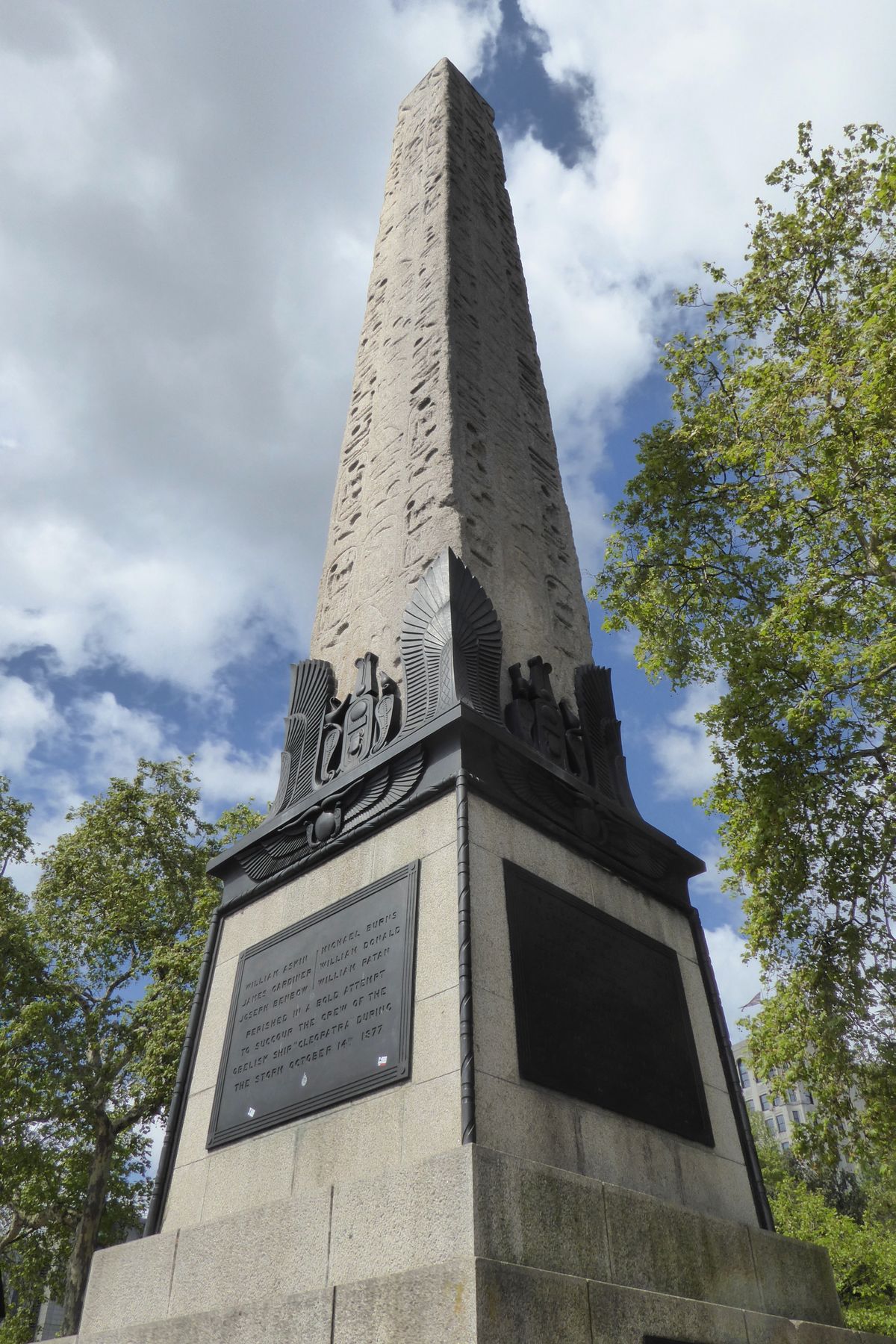
Eastern view of Cleopatra's Needle in London by Ethan Doyle White, CC BY SA 4.0CC BY SA 4.0
There is an obelisk that is 3,500 years old standing in Central Park in New York City. It’s one of a pair known as Cleopatra’s Needles, and its twin stands in London, England. These towering, tapered stone pillars exist all over the world, from Paris to Rome, as monumental focal points, but they originated in Egypt.
Commissioned by Egyptian pharaohs to decorate important temple entrances, ancient obelisks represented power and connection to the gods, particularly the sun gods, and it took a high level of engineering, architecture and logistics, as well as a vast labor force to build them.
Because they are covered in hieroglyphs, which usually name the king who commissioned them and the god they honor, historians know a good deal about who built obelisks and why.
From symbols of sun worship to examples of remarkable craftsmanship, in this article we explain exactly what an obelisk is, why they were built and how they ended up in important locations around the world.
What is an obelisk?
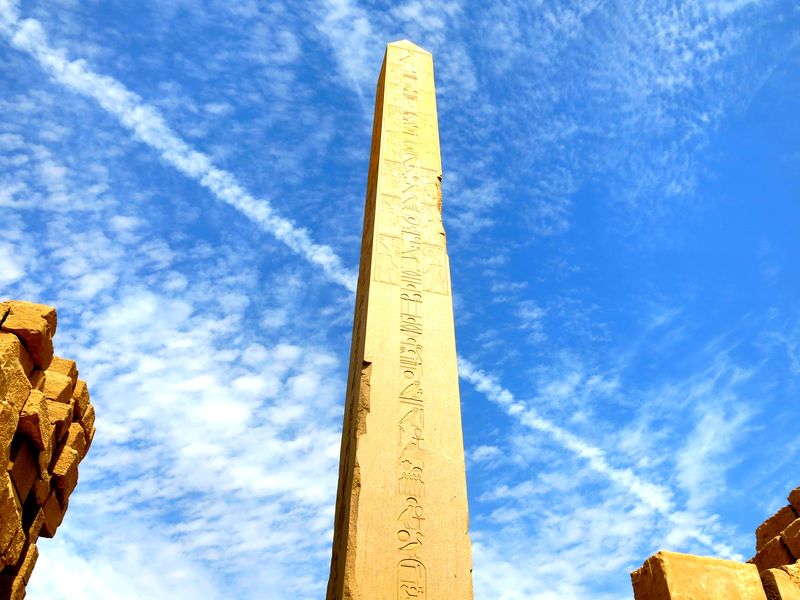
Not to be confused with a garden trellis, an Egyptian obelisk in its classical form a very tall pillar made from a single block of stone (a monolith) with a square base and four distinct tapered sides that end with a small pyramid, called a pyramidion, at the top. The word comes from the Greek obeliskos, meaning ‘little skewer’.
Why did the ancient Egyptians build obelisks?
Obelisks have an important connection to the sun. Two sites were especially important. One is Heliopolis, now part of Cairo, the ancient center of the sun god Ra. The other is the Karnak Temple Complex at Luxor (ancient Thebes), the main center of worship for Amun-Ra, another important sun god.
The pyramidal top, and sometimes much of the upper part of the obelisk, would have been covered in electrum (a gold-silver alloy) or gold so that it shone in the sunlight. The shape is often interpreted as a petrified ray of the sun, and the gleaming tips would have been visible from a great distance. Seen as a connection between heaven and earth, these solar symbols demonstrate that the kings who built them were favored by the gods, and the process of building them was considered a religious rite, an offering to the gods themselves.
The result was impressive and demonstrated absolute power and control over their environment. The earliest examples of obelisks appeared during the old kingdom in the 5th Dynasty (around 2465–2323 BCE) but they were shorter and wider. The building of these pointed pillars reached its zenith during the new kingdom (c. 1570–1069 BCE), when the Pharaohs had more power and resources than ever before.
How did the ancient Egyptians build obelisks?
Because they were both heavy and fragile, quarrying and transporting these giant objects was a remarkable feat of engineering.
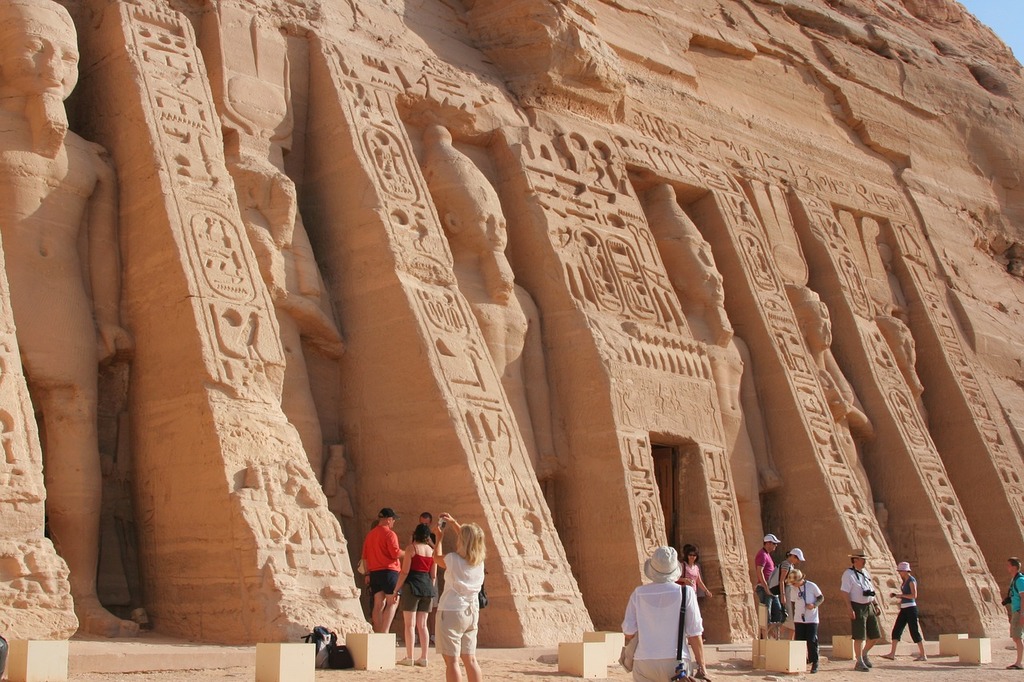
Aswan, a city on the ancient southern border of Egypt, is considered the birthplace of obelisks. Obelisks were built from hard stone, mostly red granite, and the quarries that supplied it were at Aswan. The Unfinished Obelisk, still lying in its Aswan quarry, would have been the largest ever made at around 42 meters, but it cracked and was abandoned.
Cutting an obelisk wasn’t a fast process. Once the obelisk shape had been marked out on the ground, workers pounded out the sides using balls of a harder stone such as dolerite. Once the sides were done, they undercut the obelisk, packing it as they went to prevent it from collapsing. It would have taken a large, skilled labor force to do this work.
Once the obelisk was cut, it would have to be maneuvered out of the trench it was cut in, onto a barge to be transported along the river – without the Nile the construction of obelisks may not have been possible. Exactly how they moved each obelisk onto the barge and then raised it into place is still debated.
Aswan, a city on the ancient southern border of Egypt
The global movement of obelisks
The dispersal of obelisks is largely down to their desirability and mysticism. The Roman Empire’s emperors, after conquering Egypt, coveted their ancient prestige and impressive shape. They moved so many to Rome that the city is often said to have more obelisks than Egypt itself.
Centuries later, after Napoleon’s invasion of Egypt, the country opened to Westerners and obelisks once again began to be seen as desirable. Many were taken or gifted to notable people in the West. In 1836 one of the pair from Luxor Temple was erected in the Place de la Concorde in Paris, a gift from Egypt’s ruler, Muhammad Ali.
Cleopatra’s Needles are the best-known example of this journey, and they arrived in London in 1878 and New York in 1881. Despite the name, they have no connection to Cleopatra: they were made for Thutmose III, centuries before her, and were moved to Alexandria by the Romans.
The storied movement of these ancient pillars both within and outside of Egypt gives the obelisks that exist today complicated histories, and there are many that are missing.
The fascination with obelisks endures with many modern monuments built in their image. Famous examples include the Washington Monument in Washington, D.C., completed in 1884 to honor U.S. President George Washington, and the Obelisco de Buenos Aires in Argentina, which was built in 1936 to commemorate the 400th anniversary of the city.
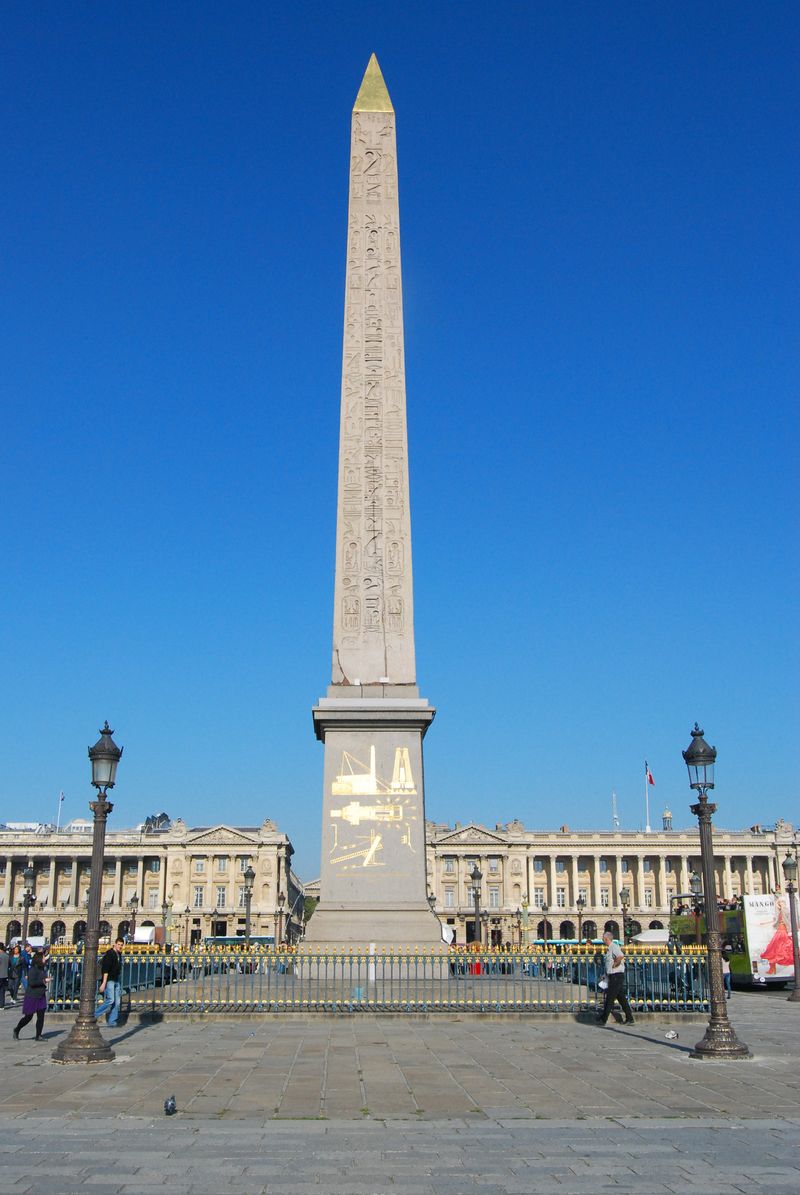
Obelisk in Place de la Concorde, Paris by Rodrigo Menezes, CC BY SA 3.0

Washington Monument
Obelisks as timekeepers
The obelisk’s connection to the sun is also still celebrated, with the shape used as a solar symbol in gardens and public spaces around the world.
One of the oldest examples is the Horologium Augusti or Solarium Augusti in the Piazza di Montecitorio in Rome. The red granite obelisk (about 30 meters tall including its base) was brought from Heliopolis in ancient Egypt and erected in the Campus Martius of ancient Rome in 10 BCE under the Roman emperor Augustus. It is often described as the gnomon of a giant sundial, casting shadows onto bronze markers set in travertine paving that tracked the sun’s noon shadow through the year.
The Vatican Obelisk in St. Peter’s Square in Rome is another famous example. Brought to Rome from Egypt by the emperor Caligula, it was moved to its present position in 1586. The marble markers inlaid into the cobbles in the square indicate the equinox and solstices as well as other significant calendar dates.
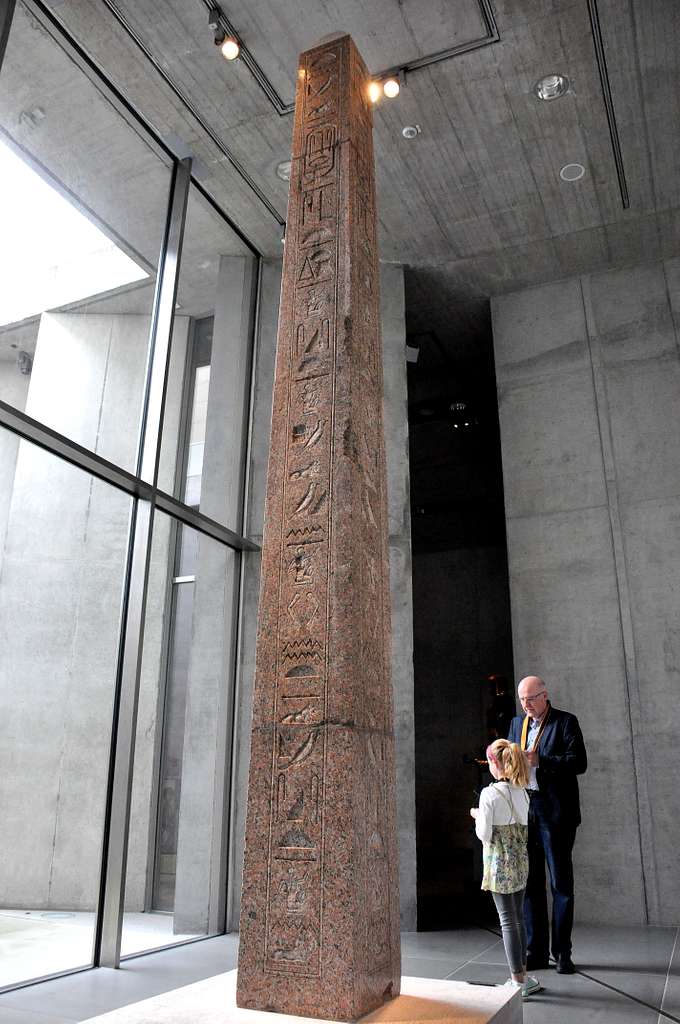
Red granite obelisk of Titus Sextius Africanus. From Rome, c. 50 CE. State Museum of Egyptian Art, Munich
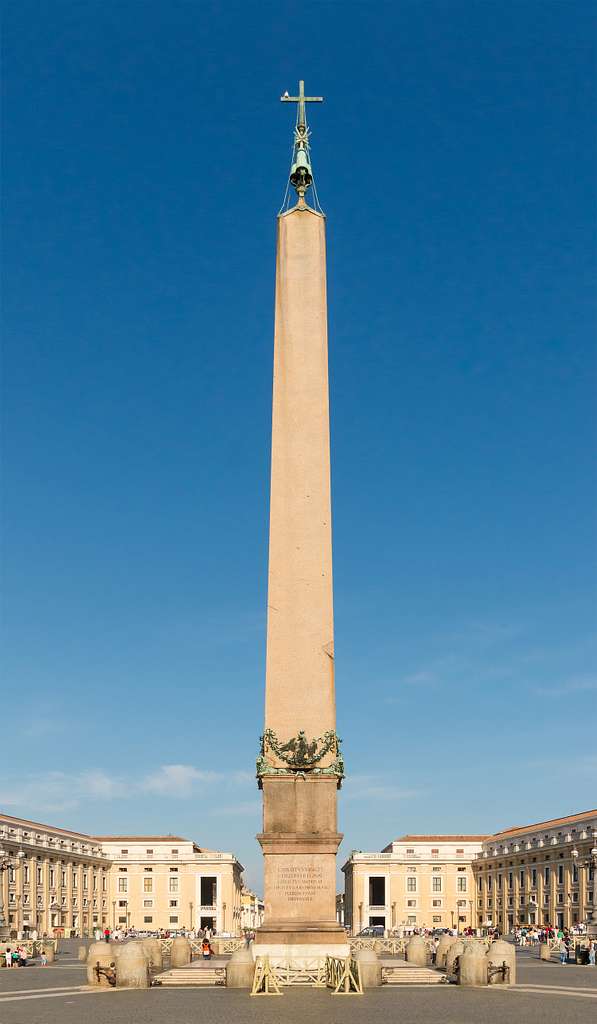
Vatican Obelisk in St Peter’s Square
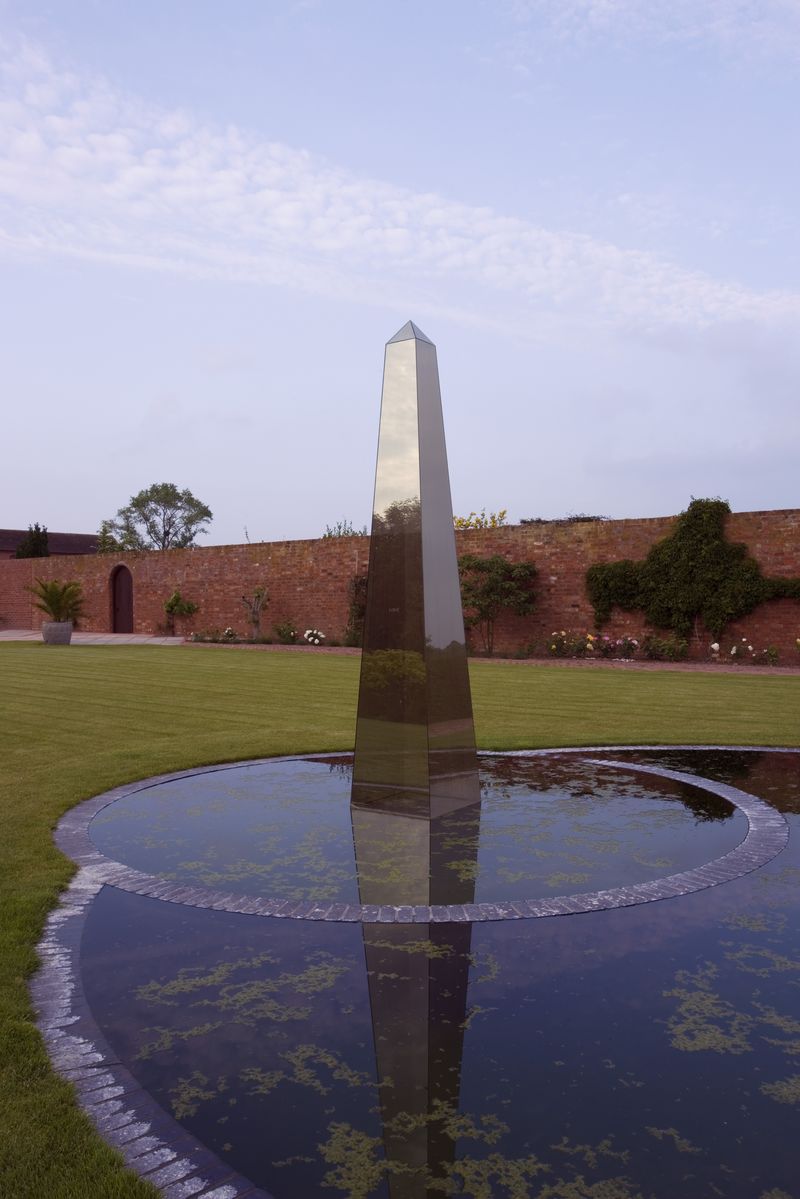
In the Spring Garden at Doddington Place Gardens in Kent, England, you’ll find a striking glass David Harber obelisk and sundial, which was originally made and placed to mark the new millennium.
From Central Park to an English garden in Kent, the obelisk has outlived the civilization that first raised it. Carving a single block of granite and setting it upright is remarkable in any age and exactly how the Egyptians managed it is still debated. But that mystery is part of the appeal: more than 3,500 years on, a stone pillar in the heart of New York City can still make people stop and look up.

Glass David Harber obelisk and sundial at Doddington Place Gardens in Kent


The magic of conversation
Whether you’ve decided on a piece or you just want to sound out an aspect of our work, please get in touch with our team to discuss your needs.